Before 2020, roughly one in seven American public-school students was chronically absent, missing ten percent or more of school days, a definition the federal government standardized in 2016 under the Every Student Succeeds Act. After 2020, the number roughly doubled: national and state-level datasets through 2023-2025 documented chronic absence above 25 percent, more than one student in four, with the academic research, from Attendance Works' compilation to district-level studies, attributing to it a meaningful share of the post-pandemic test-score decline that tutoring budgets have chased ever since.
What caused the spike?
The documented explanations stack rather than compete. Illness and precaution: families recalibrated the threshold for keeping a child home, and documented post-pandemic attitudes kept mildly sick children out longer. Mental health: adolescent anxiety and school avoidance rose on every survey series, documented in CDC Youth Risk Behavior data showing persistent sadness at record levels. Family logistics: housing instability, documented in the eviction and homelessness data, moves kids between addresses and enrollment; transportation gaps, documented in district bus-driver shortages, removed the ride. And disengagement: the softest factor and the hardest to count, chronic absence concentrated, before and after the pandemic, among low-income students, students with disabilities, and in high-poverty schools, a distribution every state report card confirms.
Why does a few percent matter so much?
Because absence compounds. The learning-loss literature documents that days missed correlate with reading and math declines at rates that make chronic absence one of the strongest actionable predictors of dropout, and school-funding formulas in most states are attendance- or enrollment-based, so absence is also a fiscal variable: districts with high chronic absence document direct revenue losses in state-aid calculations and indirect ones in everything from meal reimbursement to teacher morale, since a class with rotating absentee halves requires teaching everything twice.
What actually reduced it?
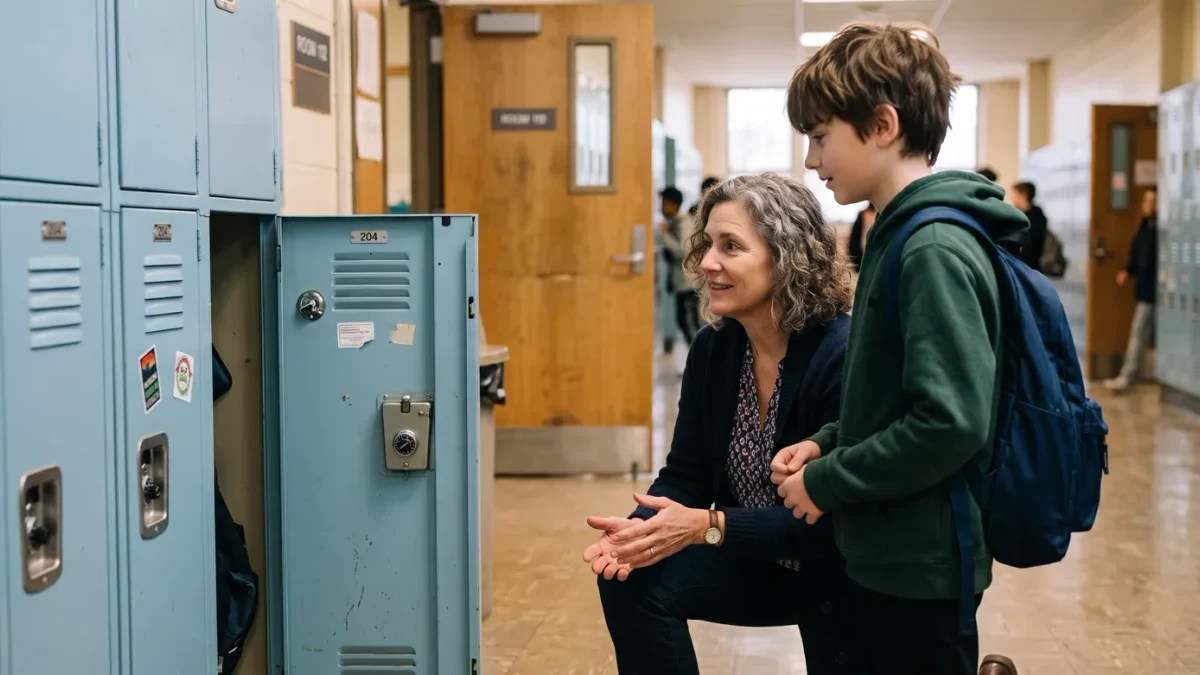
The intervention record sorts by intensity. Nudges, scripted messages about a child's absences, documented modest but real effects in randomized trials, the cheapest tool in the kit and the least sufficient alone. Relationship work: attendance teams pairing chronically absent students with named adults, mentors, check-and-connect programs, documented the largest gains in the research, consistent with the underlying causes being relational rather than informational. Barriers work: laundry programs, bus routes, asthma management, clinic partnerships, because a documented share of absence is logistics, not motivation. The state level joined late: a wave of truancy-law reform and, at the harder edge, chronic-absence triggers for third-grade retention and truancy prosecution in some states, approaches whose mixed-to-negative record is documented in the evaluation literature.
What is the connection to work?
The workforce link is the reason this beats in a business-society section rather than only an education one. Parents of chronically absent children document higher rates of work interruption, calls that pull them off shift, discipline that arrives at their jobs as absence too, an employer-side cost that benefits surveys are just beginning to capture. And the long tail is the labor pipeline: chronic absence in eighth grade is a documented dropout predictor, dropout is a lifetime-earnings event, and the cohort now moving through middle school carries the highest absence rates ever measured.
What should communities watch?
Watch the state report cards, which since 2016 must report chronic absence, and read the gap between districts, because recovery is documented as uneven along exactly the income lines that widened during remote schooling. Watch whether districts spend their remaining federal-relief successor funds on attendance teams rather than one more software dashboard. The pandemic closed the schools; the documented crisis since is that enough families never fully trusted reopening, and the attendance line on a report card is where that trust, or its absence, is counted daily.