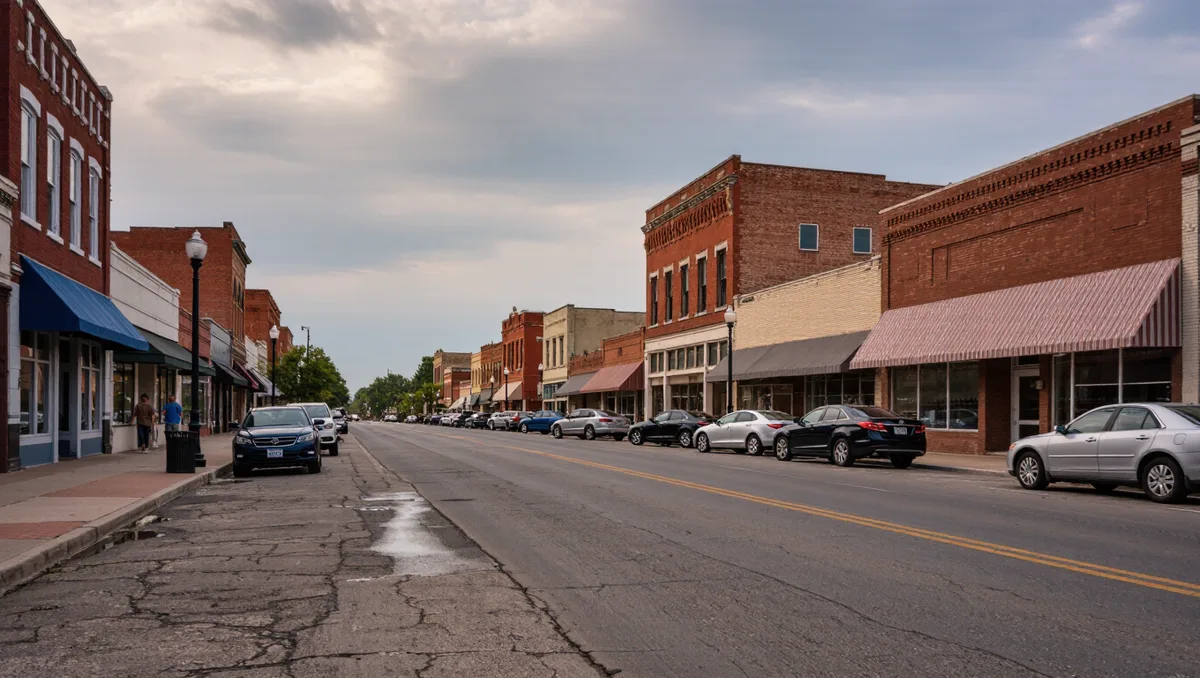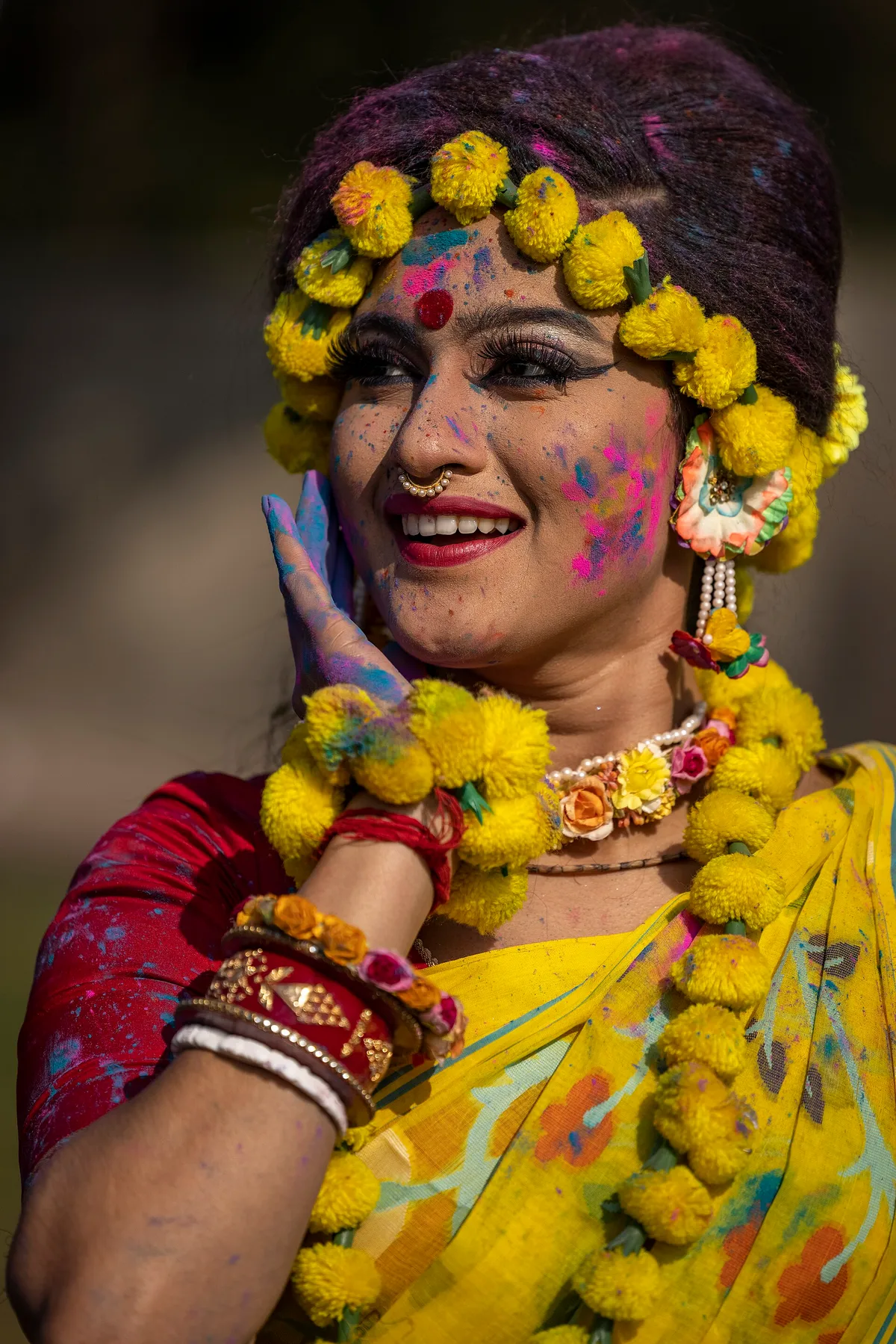
A cultural festivals calendar is simply the yearly rhythm of public celebrations: heritage days, food fairs, music gatherings, and holiday observances that a town or neighborhood repeats each season. Most communities stack them around the weather. Spring brings street fairs, summer fills the parks, autumn carries harvest and heritage themes, and winter turns indoors toward faith and family traditions.
The pattern matters more than any single event. When a town knows its festival seasons, residents can plan around road closures and crowds, small vendors can book the dates that pay their year, and newcomers can find the fastest way into civic life. This guide explains how those calendars are built, what they ask of the people who run them, and what happens when a tradition pauses. For related coverage, see How to Watch 'Ballroom': A Viewer's Guide to the New Disability-Led Dance Drama.
What does a word like "celebrating" actually cover?
It helps to start with the word itself. According to Cambridge Dictionary, "celebrating" works as both a verb and an adjective, describing everything from marking a saint's feast day to praising ordinary, everyday things. The Free Dictionary narrows it: to celebrate is to observe a day or event with ceremony, festivity, or respect, or simply to take part in the festivities.
That range is the point. A festival calendar holds both meanings at once. Some events are solemn remembrance, some are pure party, and many are both. A heritage parade can honor a hard chapter of history in the morning and host a food fair by afternoon. When you read a community's festival lineup, you are reading which parts of its past it chooses to carry forward, and in what mood.
How does the seasonal calendar actually fill up?
Most festival calendars follow the same logic, even when the traditions differ. Organizers start from fixed anchors: religious holidays, national observances, and harvest timing. Then they layer in movable events, chosen to avoid conflicts with neighboring towns and to catch the weather when it cooperates.
- Spring tends toward renewal themes: flower festivals, cultural heritage weeks, and events timed to school calendars so families can attend.
- Summer is peak season, when outdoor space is free and travel is easy. Music festivals, ethnic food fairs, and pride celebrations cluster here.
- Autumn carries harvest festivals, heritage months, and events tied to the agricultural year.
- Winter moves indoors: faith observances, light festivals, and New Year traditions that vary widely across cultures.
What this means for a reader is simple. If you want to understand a community, look at which seasons it fills and which it leaves open. A town that goes quiet in winter but packs its summer weekends is telling you something about who lives there and when they gather.
Who does the work behind the calendar?
Festivals do not run themselves. Behind nearly every community celebration sits a small group of volunteers, a chamber of commerce, a faith congregation, or a cultural association doing the booking, fundraising, and cleanup. The calendar is, in effect, a map of a town's civic energy. This connects to our earlier piece, What COBRA Actually Guarantees After a Layoff: The Fine Print Behind the 18-Month Rule.
That energy is worth watching. Our reporting on the decline of volunteering in data shows how thin the bench has become for exactly this kind of work. When the organizing corps shrinks, festivals do not vanish at once. They shrink first: fewer days, fewer stages, a shorter parade route. A calendar that quietly contracts year over year is often the first visible sign.
There is a money story too. Vendors, hotels, and restaurants plan their staffing around festival weekends, so a canceled event ripples through local paychecks. That is why a pause, even a planned one, is community news and not just entertainment news.
What happens when a tradition takes a year off?
Even long-running events pause. The Los Angeles Times reported, in a usage example on the word "celebrating," that after celebrating its 25th edition in 2025, one of the country's longest-running punk festivals was suddenly taking a year off. A quarter century of consecutive editions ended not with a farewell but with a gap in the calendar.
Pauses like that have a few common causes: rising costs, aging organizers, venue troubles, or simple fatigue. The lesson for festival watchers is that longevity is not a guarantee. A tradition survives on the same inputs as any small operation: money, people, and a reason people still show up. When one input fails, the calendar is where it shows first.
The flip side is that a pause is not always a death. Communities revive festivals when a new generation takes the reins, sometimes with a different format: a weekend instead of a week, a park instead of a street. The calendar absorbs the change and the tradition continues in altered form.
Practical steps: reading and using your local calendar
If you want to get more out of the festival year where you live, the approach is straightforward.
- Find the official source. City websites, chambers of commerce, and cultural associations publish the canonical dates. Social media pages drift; the official listing does not.
- Note the anchors first. Identify the two or three events that recur on the same weekend every year. Those are the spine of the local calendar.
- Watch the movable ones. Events tied to lunar calendars, harvest timing, or school schedules shift annually. Check them each season rather than assuming.
- Plan around the crowd, not against it. If you want the full experience, arrive early. If you want the food without the crush, go at opening or near closing.
- Consider the volunteer table. Most festivals need hands for a few hours, not a season. It is the shortest route from attendee to organizer.
For readers following the wider civic picture, these questions sit alongside our other Society News coverage and our reporting on communities, where the same pattern shows up: the health of a place is legible in what its people choose to do together.
What the festival calendar ultimately tells us
The evidence here is modest but consistent. A cultural festivals calendar is a working document, not a decoration. It records which traditions a community can still staff and fund, which seasons it values, and where the gaps have opened. The dictionary definitions remind us that celebration ranges from solemn to joyful; the festival calendar shows which of those a town can currently afford.
What remains unknown, in any given place, is direction. A shrinking calendar can be a pause or a permanent exit, and only the next season's listings say which. Read them the way you would read a local budget: as a record of choices, made by people, that could go either way next year.