Once a year, your city posts a budget. Almost nobody opens it. That is a missed chance, because the file explains what your town can and cannot do. It also shows who decided it.
The good news is that you do not need an accounting degree. A budget is just a plan written in numbers. Once you know the names of its parts, the line items start to make sense. Here is how to read one without getting lost.
Start With the Two Big Columns
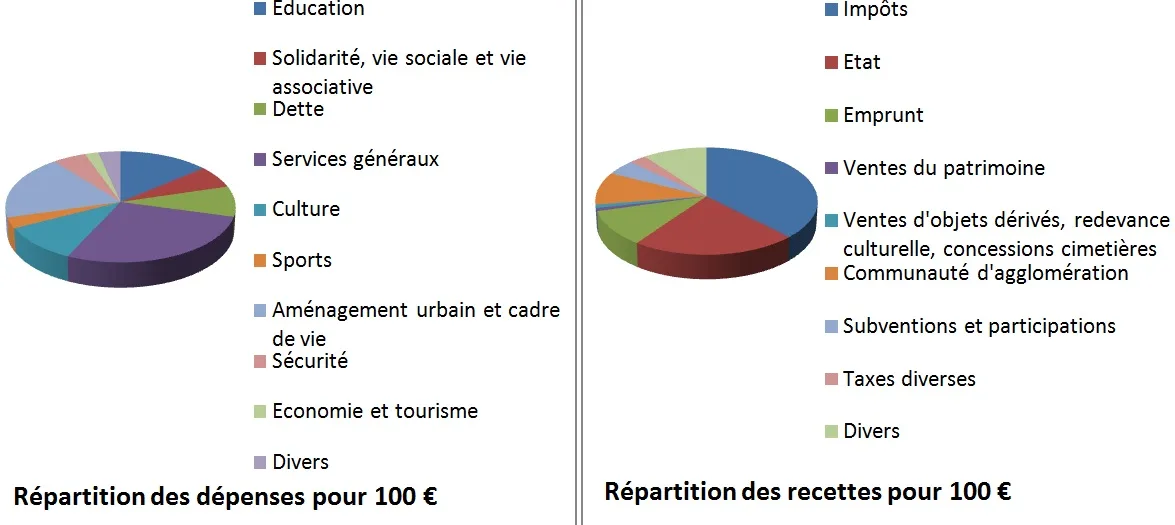
Every budget has two sides. One side is a projection of revenues. The other is a projection of spending, laid out for a set period that is often called a fiscal year. That period may or may not match the calendar year, so check which months the plan covers before you compare it to anything (Wikipedia).
The revenue side lists money coming in. Taxes do most of the work, along with fees and other payments. The spending side lists where that money goes. At the national level, big examples include healthcare, education, and infrastructure. A city list looks similar but smaller. Think police, parks, streets, and the rest of daily life. We covered a connected angle in Life After the Big Box.
Who Approves It, and Who Spends It
The plan is not law the day it is written. In most systems, the budget goes to the legislature for approval (Wikipedia). At the local level, that body is your municipal council. Watch the meeting calendar, because the debate before the vote is your best chance to ask what a line item really buys.
Approval matters for a second reason too. Once a budget is approved, the use of funds moves to departments and other institutions (Wikipedia). The council sets the plan; the departments carry it out. So when a service changes during the year, the story usually starts in a line item the council already approved.
Why a City Budget Looks Different
Local governments typically provide a wide range of services to residents. Their scope of authority is generally much less than that of central or state governments. Some may not even be entitled to levy taxes. Many are often heavily dependent on grants from higher levels of government (Wikipedia).
That last point clears up a common confusion. Part of the budget is local money. Another part arrives as transfers with conditions attached. When a line item seems frozen in place, check where the money came from before you ask why it cannot move.
Simple Habits for Reading Line Items
Reading a budget is a habit, not a talent. Start with the largest categories, not the smallest ones. Compare each major line to the prior year and ask what changed. A big jump in one line almost always has a story behind it.
Next, match revenue to spending. If the plan leans on fees or grants, ask what happens if those numbers come in low. Then look for lines you can test in the real world. A street program shows up as repaved roads. A parks line shows up as mowed grass. The budget is a promise. The service level is the proof. For related coverage, see The Five-Day Mandate and the Rebirth of Main Street.
Conclusion: A Map, Not a Mystery
A budget is a projection, not a prophecy. It shows what the council plans to collect and where it plans to spend. Read the two big columns first. Then follow each major line from approval to the department that holds the money. Do this once a year and the numbers stop being noise. They become a map of what your town values, and a fair way to judge how well it delivers.