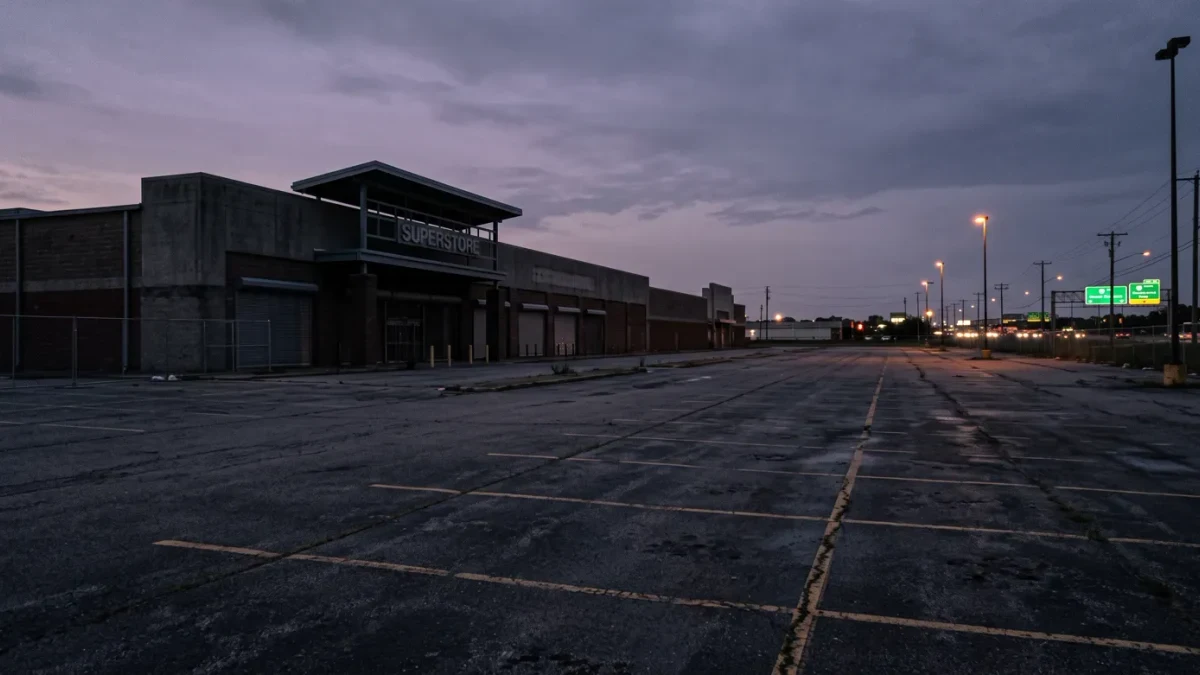
The big-box era left behind its own archaeology: hundreds of empty superstores, each a hundred thousand square feet of column-free box on acres of parking, documented in commercial-real-estate vacancy surveys and the repurposing databases that track their second lives. Walmart alone has closed hundreds of stores across its history of relocations and consolidations, and the chain-retail bankruptcies this series has covered added Kmart, Sears, and regional boxes to the inventory. What follows the closing is a land-use story with a surprisingly rich documented record.
What actually gets done with the boxes?
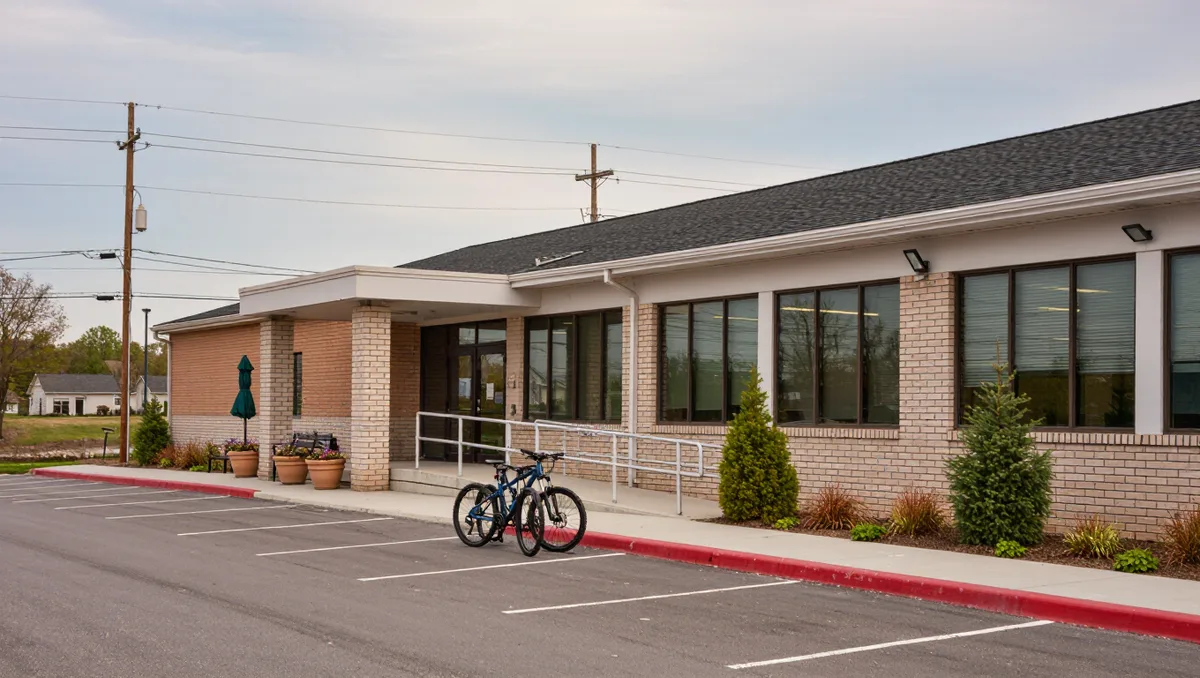
The reuse census sorts into tiers by ambition. Holdover retail, the least work, another discount or grocery chain taking the shell, keeps sales tax but changes little. Civic conversion: city halls, libraries, and, the most celebrated documented cases, schools, since column-free spans and ample parking happen to suit auditoriums and drop-off lanes, with named examples in Texas and the Midwest. Recreation: gyms, pickleball complexes, trampoline parks, churches, escape rooms, the low-rent, high-ceiling tenants the format fits naturally. Industry: last-mile distribution and call centers, the quiet plurality in the e-commerce era, which return jobs but not retail careers. And the strongest documented outcomes, mixed redevelopment, tear up part of the lot, cut the box into smaller storefronts facing a street, add housing where zoning allows, converting asphalt back into tax base.
Why are dead boxes such a problem for towns?
The documented fiscal mechanics are unforgiving. A superstore's land is often held in a single-entity structure, its value depreciated, generating property tax far below its utility; when it empties, the site produces nearly nothing while its appraisal drags comparables. The parking field is an environmental liability, stormwater runoff acres in extent, that the closing leaves the town. And the blight dynamic documented in retail research: an empty box on the commercial strip suppresses neighboring leases, the co-tenancy of decay. Cities have responded, documented in municipal ordinances, with vacant-big-box ordinances and demolition orders, and with the fiscal tool of land banking described earlier in this series, taking title when taxes go unpaid.
What separates reuse success from parking-lot prairie?
The documented predictors are ownership and infrastructure. Ownership: boxes owned by the closing retailer are held strategically, at prices the market will not pay, to block competitors or await appreciation, a documented tactic cities fight with code enforcement and, occasionally, eminent domain; boxes sold to local or regional owners re-lease faster. Infrastructure: sites on sewer and water with road capacity, most of them, can absorb intensity, and the winning projects document public investment up front, tax increment, streetscape cuts, that the private market alone would not make. Zoning is the third: single-use commercial zoning, the default for strip corridors, is the documented enemy of the mixed-use reuse that pays best, and the towns that rezoned their corridors redeveloped years faster than those that did not.
Is there a lesson in how the boxes arrived?
The arrival record is the mirror of the departure record. Towns subsidized the strips with road extensions and tax abatements, zoning codes mandated the parking, and the format's economics, one big tenant, one big lease, worked until it did not. The documented second-generation lesson: build no single-tenant dependency again, require street-facing frontage and multiple entrances, zone for incremental growth, small units that can change hands cheaply, rather than monuments that cannot. Some towns have written these standards; most, on the documented record, are still administering the parking lots their predecessors zone'd for a retail era that moved on.