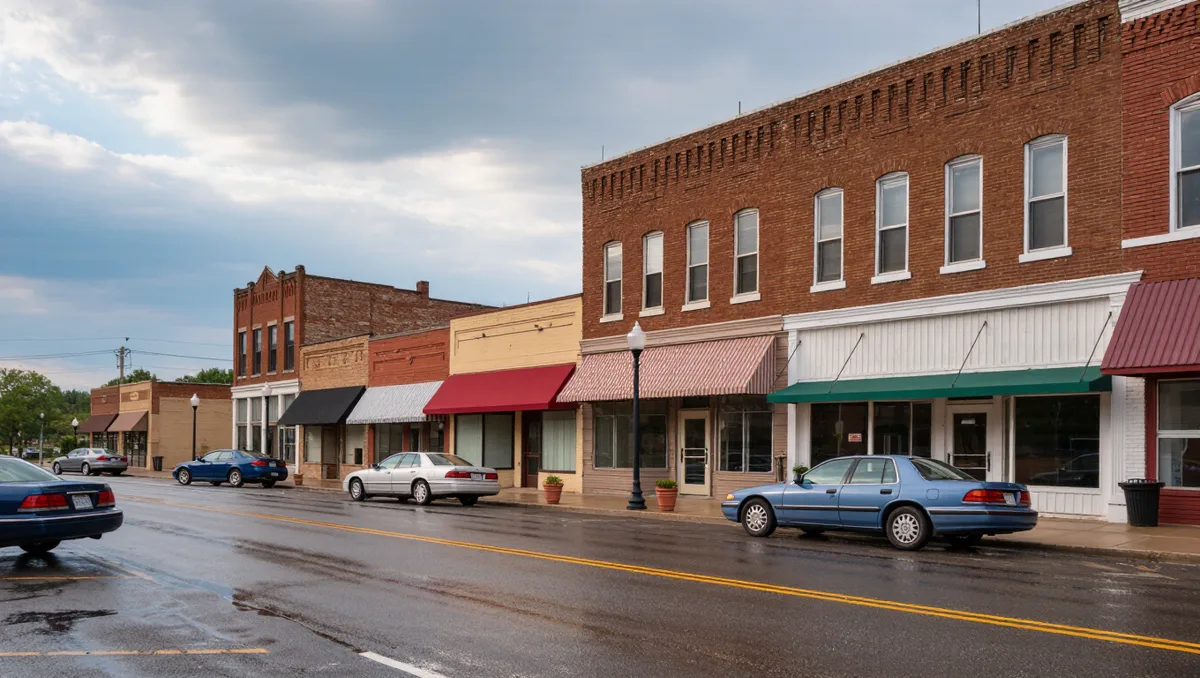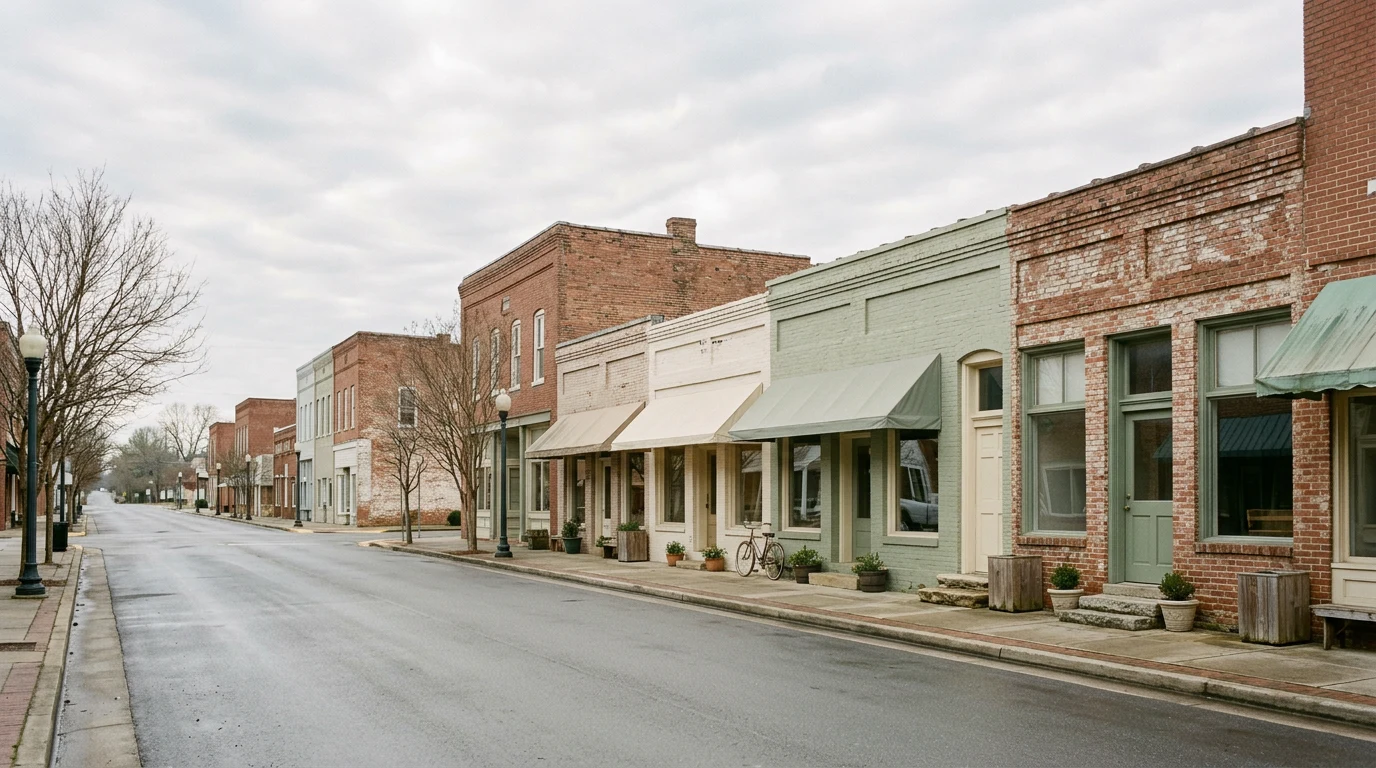
The Main Street revival that planning books celebrate has a documented demographic engine: immigrants. Federal survey data consistently shows immigrants founding businesses at higher rates than the native-born, roughly double on some measures of new-firm formation, and academic mapping, including work from the American Immigration Council and the Fiscal Policy Institute, documents where those firms land: retail, food services, transportation, laundry, and personal services, the literal Main Street sectors, in neighborhoods, small cities, and rural towns other capital had left.
What does the ownership data show?
The documented pattern repeats across metro studies. In declining commercial corridors in Chicago, Philadelphia, Detroit, and the small cities of the Midwest and South, immigrant-owned shops, groceries, restaurants, salons, dollar-store alternatives, anchor blocks that bank appraisers had written off, often living upstairs from or beside the store, tolerating crime and slow years the absentee investment model would not. Research on places like the "international villages" of post-industrial cities documents the sequence: first arrival, first store, clustered arrivals, corridor revival, rising rents, second-generation ascent out of retail, and a new wave inheriting the storefronts, a documented turnover cycle that keeps marginal commercial space in use across generations of newcomers.
Why do immigrants start more businesses?
The documented explanations run from circumstance to selection. Circumstance: blocked mobility in salaried work, credential non-recognition for the trained engineer driving the taxi, discrimination in hiring, and local networks that pool capital when banks decline, the rotating credit associations documented across immigrant economies. Selection: the act of migrating selects for risk tolerance and initiative, and the higher self-employment rate persists across generations at declining intensity. Policy friction is also documented: visa categories offer no clean entrepreneur path, so a documented share of immigrant business formation happens under employment-based statuses improvised for other purposes, and unauthorized status confines founders to cash-intensive, license-light sectors, a constraint the small-business research quantifies.
What do the businesses contribute?
The measured contributions: jobs, first, since Main Street businesses employ locally; commercial occupancy, second, keeping marginal corridors viable and property values from spiraling to zero; and tax base, third, sales and property tax on blocks that would otherwise return nothing. Studies of refugee resettlement, including rigorous work on placements, document neutral-to-positive fiscal effects and measurable local job creation, and city economic-development offices in shrinking cities, Detroit's revival-saga literature and others, explicitly courted immigrant entrepreneurs as the only private actors willing to buy the buildings.
What pressures does the model face now?
The documented headwinds sharpened through 2025. Enforcement climate: worksite raids and audit threats chill commerce and spending in immigrant neighborhoods, an effect economists measure in reduced consumer activity after high-profile actions. Digital competition: the same e-commerce pressures this series has documented hit the corner store, and the older model's advantages, proximity, hours, familiarity, are eroding. Succession: the classic immigrant retail firm exists to launch children into professions, and the second generation's documented exit leaves corridors needing the next arrival wave at exactly the moment policy restricts arrivals. The record is honest: the revival is real, and so is its dependence on a replenishing flow the country now debates yearly.
What should a town do with this?
The documented playbook: welcome infrastructure, language-accessible licensing and permitting, since red tape in an unfamiliar language is the first barrier; capital access through CDFIs and credit-building programs, the second; and corridor strategies that treat the new stores as tenants worth keeping, façade grants and security improvements, rather than as placeholders for something better. On the record, the something better usually arrived already, wearing an apron, speaking another first language, and holding the keys.