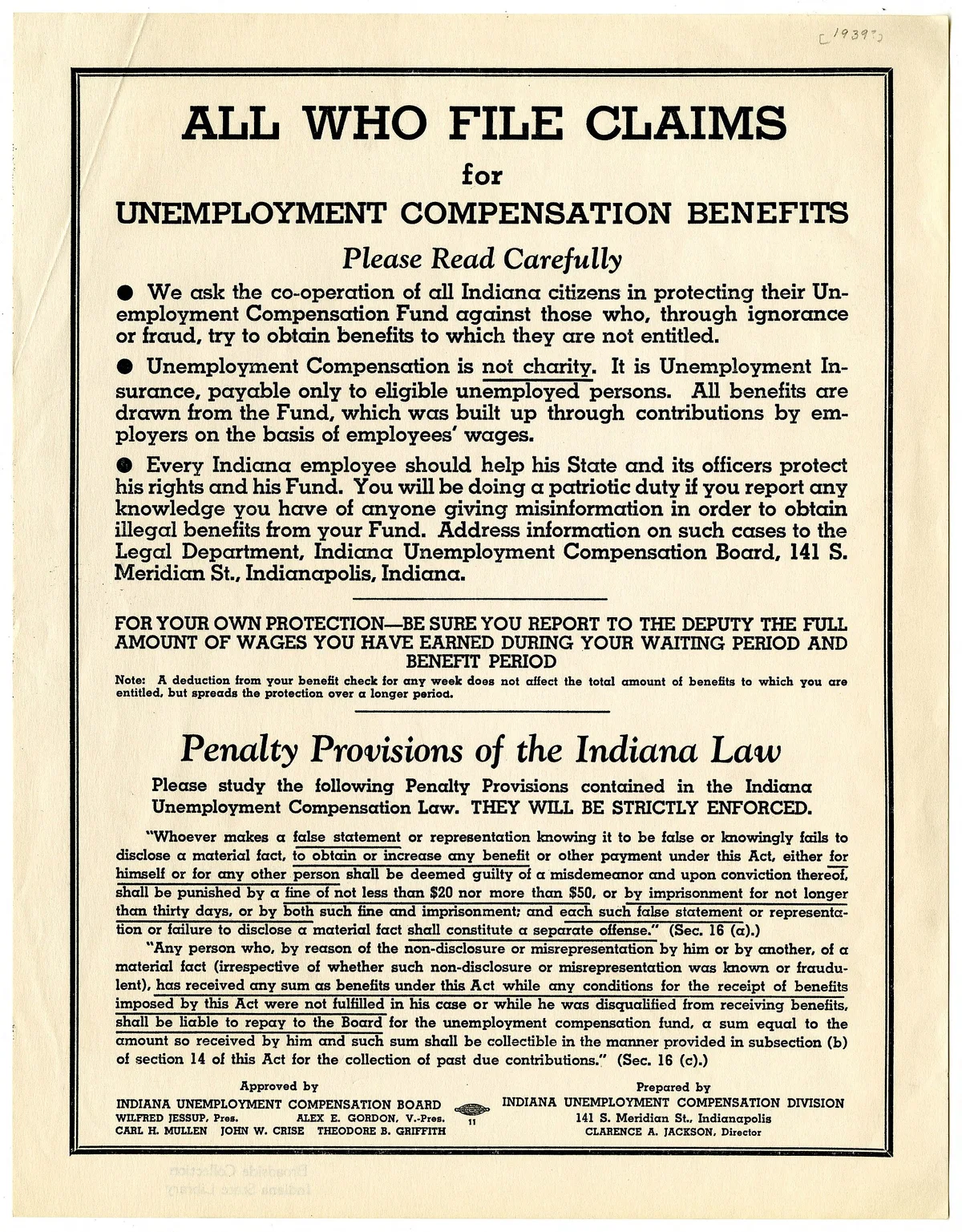
What does a severance offer actually trade away? In most cases, the money is the smallest part of the deal. The payment arrives in exchange for a signed release of legal claims, and the surrounding pages carry the terms with the longest reach: non-disparagement clauses, benefit cutoffs, and deadlines that shrink the worker's options.
The word itself has entered the culture through an unlikely door. The Apple TV+ drama Severance, which Soap Central describes as a thriller about a company that surgically splits its workers' work selves from their home selves, turned a dry HR term into shorthand for corporate control. The real document is less dramatic but no less one-sided, because it is drafted by the employer's lawyers before the worker ever sees it.
This explainer walks through the standard clauses, which ones workers most often miss, and where the leverage actually sits. For context on how layoff announcements reach the public record, see Layoffs in 2026: Trust the Filings, Not the Feed.
What is the worker really signing?
The core of nearly every severance agreement is a release. It is a promise not to sue. Once signed, the worker gives up the right to bring most legal claims against the employer, including claims the worker may not know they have. Federal law gives extra protection to older workers in this specific situation: a release of age-discrimination claims is only binding when the agreement meets statutory conditions, including a waiting period to consider and a window to revoke after signing. That waiting period exists because Congress judged these decisions too consequential to accept on the spot.
The release is also usually broad. Well-drafted ones cover "known and unknown" claims, which means a worker signs away rights to problems they have not yet discovered. A payroll error, a misclassified role, a discrimination issue that only becomes clear later — all of it can fall inside the release. This is why employment lawyers describe the money as consideration for the waiver, not as a gift.
Which clauses do workers miss most often?
Three terms cause the most trouble, and none of them is the dollar figure.
- Non-disparagement. Many agreements bar the worker from saying anything negative about the company, sometimes forever, sometimes with limited exceptions for legally protected speech. Workers often miss that the clause can bind them on LinkedIn, in job interviews, and in casual conversation. Some agreements are mutual; many are not.
- Benefits cutoffs. Health coverage typically ends on the last day of employment, not the last day of the severance period. The offer letter may mention continued coverage under a federal law called COBRA, which lets departing workers keep their plan by paying the full premium themselves — often far more than the paycheck deduction was. Workers who assume coverage runs alongside severance pay discover the gap when a claim is denied.
- Noncompete and clawback terms. Some agreements restrict where the worker can work next, or require repayment of the severance if a condition is broken. Unemployment eligibility can also interact with severance: in some states, large lump-sum payments delay benefits, which matters for anyone counting on that income. Our week-by-week guide to unemployment insurance covers how claims actually pay out.
A fourth miss is quieter: reference and rehire language. Some agreements state the company will give only dates and title, or bar the worker from returning. Neither is standard across employers, and both are negotiable points people forget to raise.
How much leverage does a worker actually have?
More than the document implies, but less than folklore suggests. Severance is usually discretionary — most employers with at-will workforces are not legally required to offer anything beyond final wages. That sounds like zero leverage. In practice, the leverage comes from what the employer wants to avoid: a dispute, a public complaint, a claim the release is designed to extinguish. The company offering severance is buying certainty, and certainty has a price.
That is why the practical moves are modest and specific. Ask for time. Ask which provisions are mutual. Ask for the release to carve out claims that cannot legally be waived. Ask whether the non-disparagement clause allows truthful statements required by law or by a future employer's background check. None of these requests is hostile, and employers expect some of them.
What rarely works is a demand for a large increase with no supporting basis. What often works better is narrowing the restrictive terms, extending the deadline, or converting a lump sum into salary continuation — which can preserve benefits and, in some states, treat the payments more favorably for unemployment purposes. Anyone facing a specific agreement should have it reviewed by an employment attorney or a legal aid service before signing; the stakes, especially for older workers, justify the cost.
What this means for the next offer
Our analysis: read a severance offer as a contract with one payment and many conditions, not as a check with paperwork attached. The sequence that serves workers best is simple. First, do not sign at the meeting. Second, list what the agreement asks for — the release, the silence, the deadlines. Third, decide which of those you can live with and which you want changed. Fourth, get the changes in writing; a verbal assurance from a manager does not survive the HR file.
It also helps to understand the company's side of the table. Layoff decisions get scrutinized by investors, regulators, and journalists, and the severance package is part of that record. Coverage of how cuts land on workforces — Boeing's 17,000 job cuts landing on a company already on strike is one recent example — shows why employers care how a departure is handled. A worker who understands that dynamic negotiates from the company's actual interest, not from sympathy. This connects to our earlier piece, Boeing's 17,000 Job Cuts Land on a Company Already on Strike.
The limits of the fine print
Some rights cannot be signed away no matter what the agreement says. Workers' compensation, unemployment claims, and certain whistleblower protections generally survive a release. A well-drafted agreement acknowledges this; a poorly drafted one overreaches, and overreach is itself a negotiation point.
The honest summary is that a severance agreement is a trade, and the trade is visible on the first page if the reader knows where to look. The money compensates for the release. Everything else — the silence clause, the coverage gap, the deadline — is the price list for the parts nobody put in the headline. Workers who read those pages before signing, and who ask for the narrow versions of each term, end the transaction with the same money and far fewer strings. That is the restrained lesson the fine print teaches: the document is written to be signed quickly, and its entire economics depend on exactly that not happening.