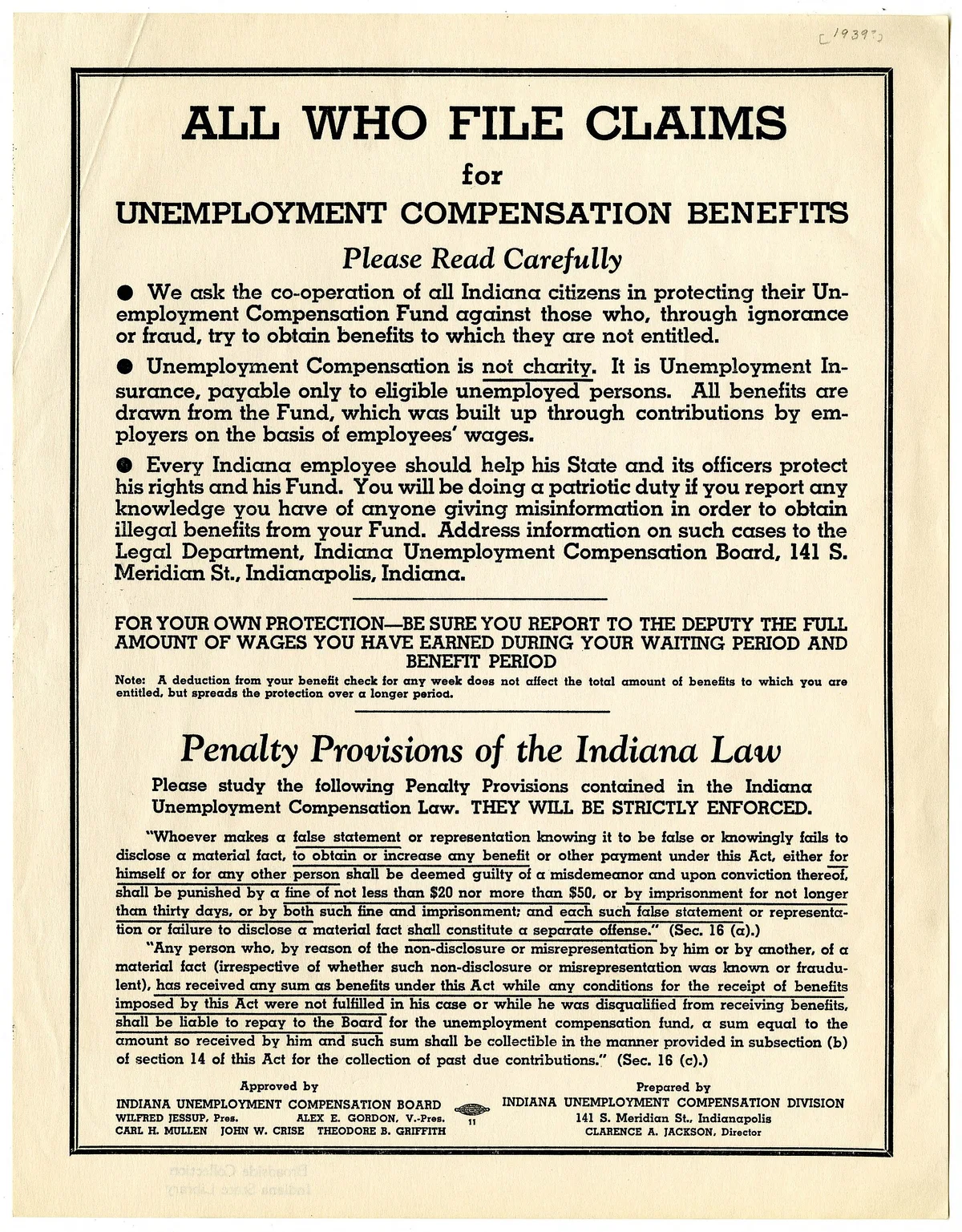
Layoff news has a measurement problem. Social-media trackers count announced cuts, headlines amplify the largest, and the aggregate impression, of an economy shedding jobs everywhere, disagrees with the payroll data, which has documented continued employment growth through the period. The reconciliation lives in primary documents: Worker Adjustment and Retraining Notification Act filings, the state-held notices employers of 100 or more workers must give 60 days before mass layoffs or closures, and the severance and restructuring disclosures public companies must file. Read those, and the 2025-2026 layoff picture comes into focus.
What do WARN filings actually show?
WARN data, collected state by state, document that announced tech layoffs land as real notices, but that the aggregate scale is modest against an economy of well over 160 million jobs. Total WARN-covered separations in a typical recent year run in the low hundreds of thousands nationally, concentrated in manufacturing closures, retail bankruptcies, and, since 2023, technology. The tech pattern is the documented novelty: instead of cyclical contraction, firms used successive rounds, performance-based cuts framed as management, and AI-driven reallocation, so the same headcount appears repeatedly in tracker totals, inflating cumulative counts relative to distinct workers affected. Meta's 2025 cuts of roughly five percent framed on performance grounds, reported by Reuters and Bloomberg, were documented as the template.
Which sectors are actually cutting?
The filings sort cleanly. Technology and media: repeated rounds tied to AI capital substitution, with software engineering and content roles overrepresented in notice detail. Manufacturing: closure notices clustered in EV-chained plants paused after demand softness, plus long-scheduled fossil retirements. Retail and restaurants: bankruptcy-driven, where WARN notices follow Chapter 11 dockets, and federal-adjacent sectors: the 2025 wave of federal workforce reductions and contract terminations, documented in agency announcements and litigation, generated the period's distinctive filing pattern, contractors' WARN notices triggered by canceled contracts rather than business failure, a category OPM's inspector-general reporting later tallied.
What happened to the workers?
The disposition record is the part the feed never shows, and it is genuinely two-track. Tech layoffs, tracked in outplacement surveys, documented rapid rehiring at comparable or higher pay for most engineers, with the median spell short in a still-tight market for senior skills. The opposite documented pole is manufacturing and rural closures, where displaced workers in Labor Department displacement surveys show longer unemployment, larger wage losses on re-employment, and higher exit rates from the labor force, the regional asymmetry that has defined every restructuring since the 1980s. Federal workers and contractors, a newly studied group, documented longer average spells in 2025 as hiring freezes spread across government and its vendor base.
What are the legal guardrails worth knowing?
The WARN Act itself: 60 days' notice for employers of 100-plus workers closing plants or laying off 50-plus at a site, with pay during the notice period for those who walk. Enforcement is by private suit, and class actions for notice violations are documented at a steady clip, rising when severance terms tighten. State mini-WARN laws in California, New York, and New Jersey extend notice and add penalties. Severance, beyond any notice pay, is contractual: enforceable when a plan document exists, revocable when merely customary, a distinction whose importance surfaces exactly when it is too late to check.
How to read the next layoff headline
Three checks convert a headline into a fact. Was it a WARN notice or an intention, since announced and filed are different documents? Is it a first cut or a re-announced cumulative total? And is it a closure, which ends a community's payroll, or a trim, which reallocates it? The filings say the 2026 labor market is reallocating more than it is shedding, with the pain concentrated where it always concentrates, in the towns whose names appear in the closure notices.