Losing a job turns money into a weekly question, fast. Unemployment insurance is the program most US workers turn to first, yet its details trip people up: what a check pays, when it starts, and when it stops.
It walks through a claim week by week in plain terms, so the process holds fewer surprises. State rules control every step, so always check your own state's agency for the final word. Readers following this should also see Retail Bankruptcies Keep Scoring the Malls.
What the Program Is
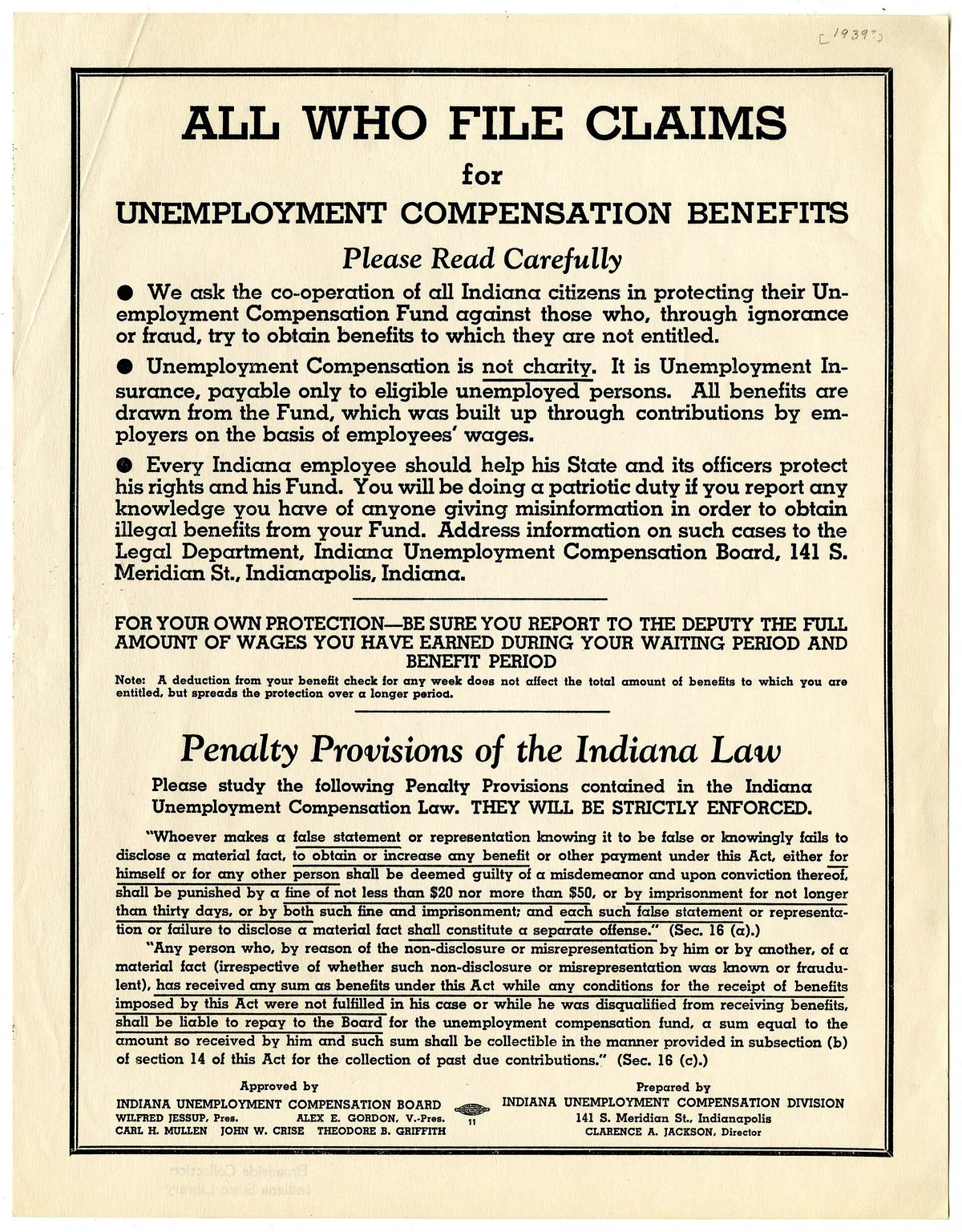
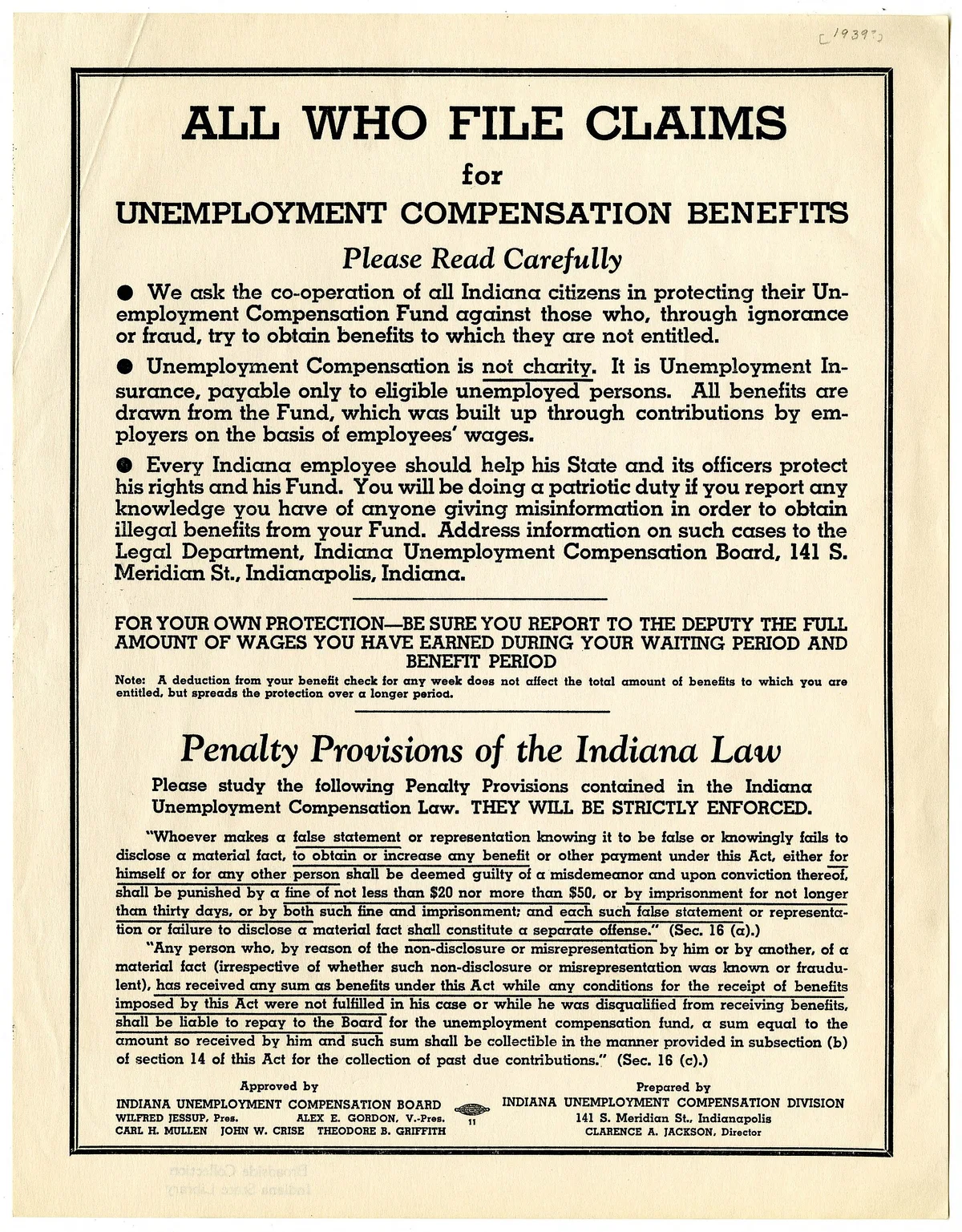
Unemployment benefits, also called unemployment insurance or unemployment compensation, are payments made by government bodies to people who are out of work. Per a general overview of unemployment benefits, the sums can be small, made to cover basic needs, or set to replace a share of your old salary. The program is built for people who lost work through no fault of their own, and it usually carries conditions that require you to keep looking for a job.
Week One: File the Claim
The first week is for paperwork. Per the same source, the United States runs 50 state programs, plus one each in the District of Columbia, Puerto Rico, and the Virgin Islands. Each state sets its own rules, so the forms, the wait, and the amounts all depend on where you worked.
Eligibility follows a simple logic. Per the overview, workers who are let go through no fault of their own are generally eligible, while workers who quit a job or who are fired for misconduct generally are not. File as soon as a job ends, since a claim usually does not pay for weeks before the filing date. We covered a connected angle in Boeing's 17,000 Job Cuts Land on a Company Already on Strike.
What the Weekly Check Pays
There is no single national amount. Per the source, the top weekly benefit runs as high as $1,015 in Massachusetts and as low as $235 in Mississippi, and policies vary from state to state. Most states pay a share of your recent earnings, up to that state's cap, so the check lands below a full paycheck by design.
Reach is narrower than people expect. Per the same source, roughly one in four unemployed people received unemployment insurance in 2025, which shows how many workers fall outside the rules or never file at all.
Keeping the Checks Coming
The money does not arrive on its own after the first approval. Most states ask you to certify every week, reporting that you are able to work, available, and still searching. Skip a weekly certification, and that week's payment can be held back. Report any earnings from temp or part-time work. Most states subtract some of it from that week's check rather than cutting you off.
The work-search condition has teeth. States can ask for a log of employers you contacted, and failing to search is a common way claims get denied mid-stream.
When the Money Runs Out
A claim does not pay forever. Each state limits how many weeks a claim can pay, and receipt varies substantially from state to state. When the weeks run out, the payments stop even if you are still hunting for work, so it pays to plan for the end date from the start.
Treat the weeks as a bridge with a visible far end. Cut costs early, chase leads hard, and use the job-search services your state ties to the program. If a claim is denied, states run an appeal process. Deadlines there are short, so move fast.
Conclusion
Unemployment insurance works week by week: a claim filed in the first days, a check set by your state's formula, a weekly certification that keeps it flowing, and a hard stop when the claim's weeks are spent.
Know your state's rules, file early, certify on time, and search with intent. The program cannot replace a paycheck, but used well, it buys the time a job hunt needs. For a decision about your own claim, speak with your state agency or a qualified professional.