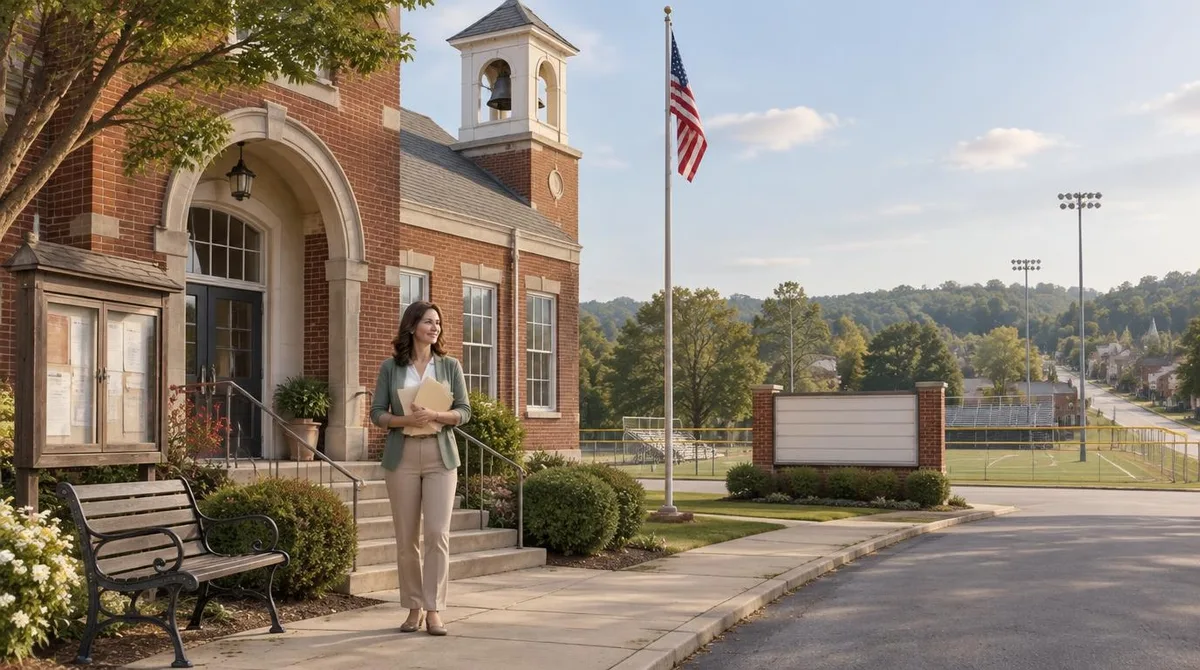
The Town of New Site, Alabama, has told its teachers something most towns only say in passing: the school is the No. 1 asset. Mayor Phil Blasingame made the statement in person, to a group of Horseshoe Bend School teachers and administrators, after the school received an A on its report card from the Alabama State Department of Education. Compared to what a town usually celebrates, that is a narrow thing to celebrate — and that is the point.
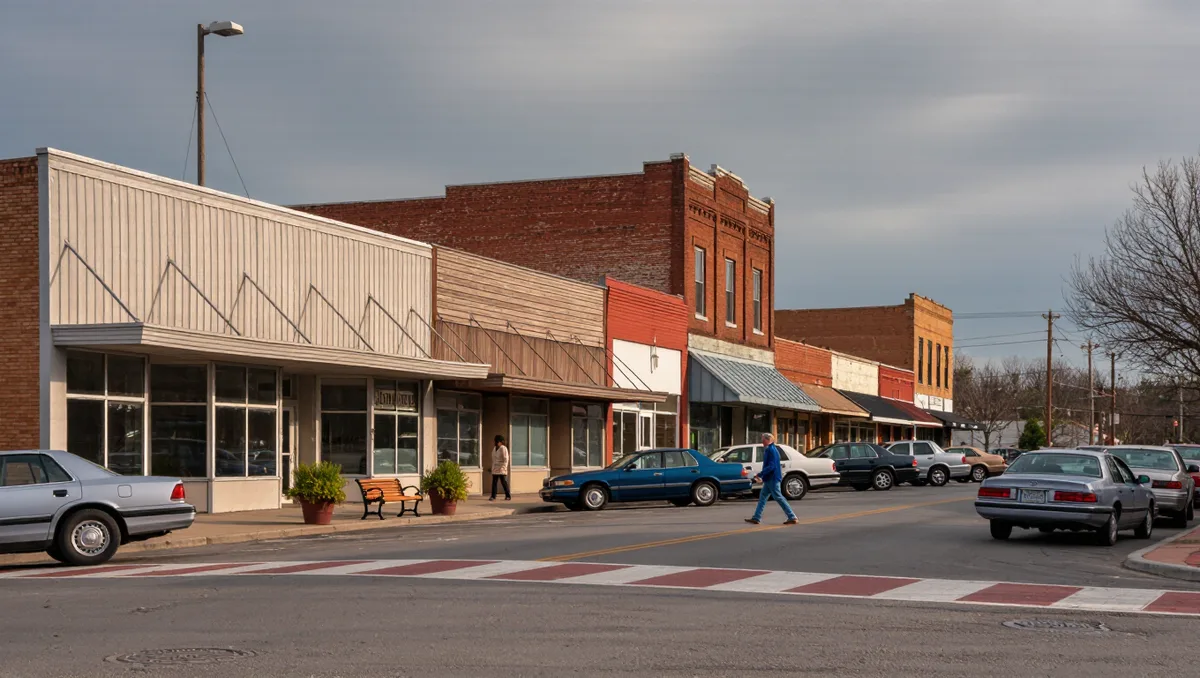
The interesting part of the story is not the grade. It is what the community does with it. According to TPI Media Group, Blasingame described a deliberate pattern: youth athletic facilities, a clinic, and a drugstore, all placed "to fit around the school." That is a stated allocation strategy, not a compliment. A small town with limited resources has decided where its center of gravity sits, and it is building services outward from that point.
Why would a town organize itself around a school?
In a small community, a school performs functions that larger places split across separate institutions. It is an employer, a gathering place, a signal to families considering a move, and often the only civic institution with daily contact across every household with children. When Blasingame said it "takes dedication, commitment, effort and teamwork," per the TPI Media Group report, he was addressing the people who produce that signal — the administration and staff — and tying the town's identity to their output.
The A rating gives the town something verifiable to attach its pride to. A state report card is an external measurement, not a local claim. That distinction matters for how the signal works: families reading the grade are reading the state's assessment, and the town's positioning around the school lets that assessment do recruitment work no brochure could. Readers following this should also see The Rise of Work From Home: What Actually Works.
What does the clinic-and-drugstore detail actually tell us?
The most concrete fact in the reporting is the list of what the town has placed near the school: youth athletic facilities, a clinic, and a drugstore. Read as a set, these are services that reduce friction for families — health care, prescriptions, and children's activities, all within reach of the place families already go every weekday. In a small town, where each of those services might otherwise not justify its own location, clustering them around the school's traffic is a rational use of scarce demand.
It is also a statement about what the town can and cannot control. A municipal government does not run the school. It cannot set curriculum, hire teachers, or produce the grade. What it can do is make the surroundings work better for the people the school serves. The mayor's framing — "we try to give the small things to fit around the school" — is honest about that division of labor. The town supplies the periphery; the school supplies the center.
What are the limits of this story?
The evidence here is a single local report of a ceremony, and it should be read as that. The article records the mayor's remarks and the honor itself. It does not document enrollment trends, staffing levels, budget figures, or whether the surrounding investments preceded or followed the school's performance. Anyone modeling what this means for the town's future — property values, population, tax base — is working from one data point and should say so.
What the record does establish is the town's stated intent and the school's verified grade. The gap between a stated strategy and its measured outcome is where most civic stories get decided, and this one has not reached that stage yet. The honest reading is that New Site has made its bet visible, and the next useful information will be whether families and staff respond to it. This connects to our earlier piece, A Useful Project Handoff Starts Before the Last Meeting.
Why this pattern matters beyond one town
Plenty of analysis of small-town economics starts from what communities have lost. This story runs the other direction: it documents a town naming its strongest remaining institution and organizing around it. For anyone thinking about how rural places retain workers and families, the mechanism on display is simple — identify the asset that still performs, then spend limited municipal effort reinforcing it rather than spreading effort thin. Whether that holds over time is unproven. But the town has at least stated its thesis plainly, and put its facilities where its thesis is.