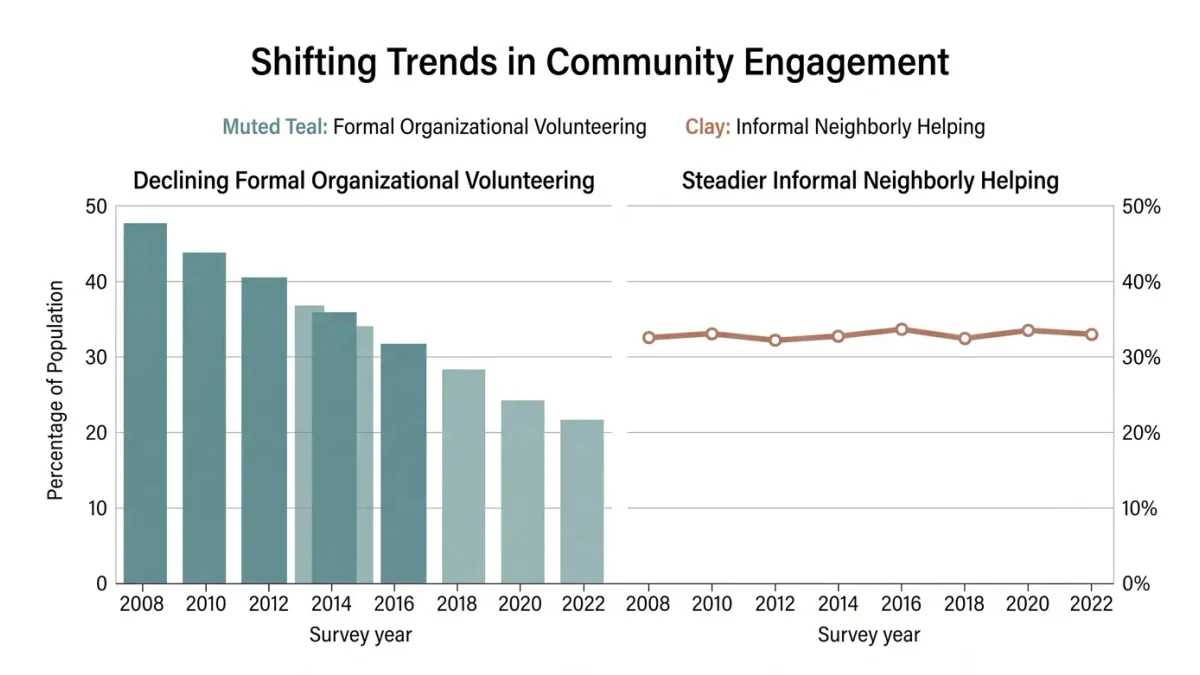
America's volunteer rate, the share of adults doing unpaid work for or through an organization, fell by roughly a quarter between survey rounds, per AmeriCorps' long-running Current Population Survey civic engagement supplement, the federal series that has measured formal volunteering since 2002. The drop from about 30 percent in 2019 to about 23 percent in the 2023 release was the largest in the series' history, and the informal-helping numbers, doing favors for neighbors, which the survey also tracks, held up better, a divergence that tells the real story: Americans did not stop helping; they stopped joining.
What declined, exactly?
The documented decline concentrates in organizational volunteering, the PTA, the church committee, the volunteer fire department, the food-bank shift, and it extends the long civic-membership slide Robert Putnam named a generation ago, with union membership, church attendance, club membership, and now formal volunteering all on the same documented slope. The 2023 finding intensified the pattern rather than breaking it, and the sharpest documented drops ran through demographics that historically anchored the volunteer economy: women, whose labor-force and caregiving arithmetic changed; the religiously disaffiliated, since congregations were the volunteer pipeline; and mid-life adults in the squeezed child-rearing years.
Why did it fall?
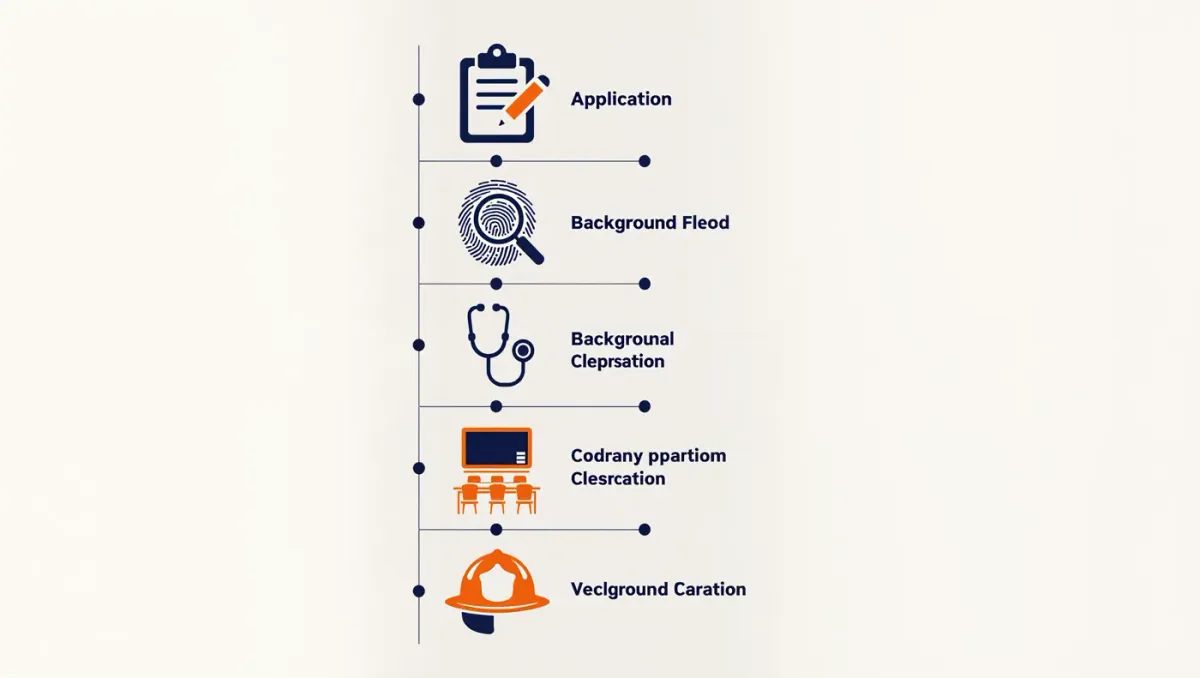
The documented explanations stack. The pandemic broke habit and calendar, and the documented post-2020 recovery of other behaviors, dining, travel, did not extend to the committee meeting. Time scarcity, the well-documented slack in American schedules, longer commutes in some regions, unpredictable service-sector schedules, dual-earner exhaustion, shows up in survey after survey as the stated barrier. Trust decline, the documented generational drop in institutional confidence, makes the ask itself harder. And the organizational side is real: the nonprofit workforce crisis, documented in Nonprofit HR and state nonprofit association surveys, thinned the staff who recruit, train, and schedule volunteers, so even willing helpers face onboarding friction, background-check delays, and unreturned emails, an infrastructure failure disguised as apathy.
Who feels the gap?
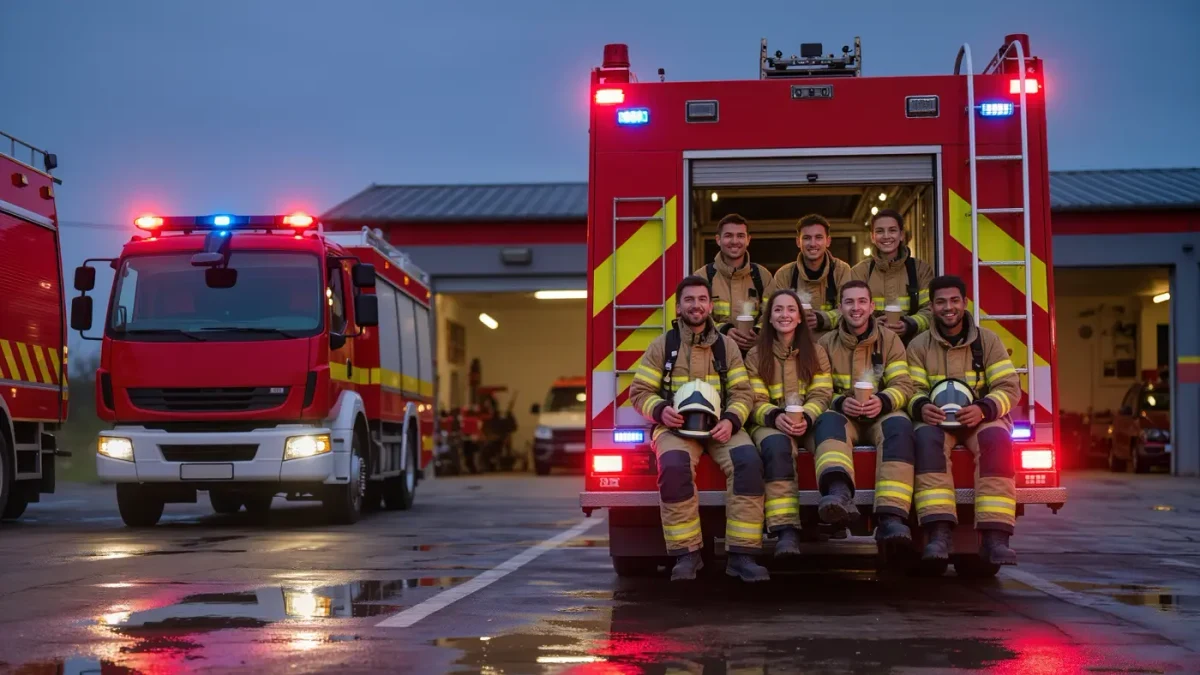
The documented strain lands on institutions whose operating model quietly assumed free labor. Volunteer fire departments, particularly rural ones, document recruitment shortfalls that translate directly into longer response times and higher insurance ratings. Food banks, facing documented post-pandemic demand above pre-2020 baselines, run shifting drives with skeleton volunteer rosters. Schools document unfilled room-parent and tutoring roles, and courts' appointed-special-advocate programs, the CASA network, report case backlogs tied to volunteer scarcity. The civic-labor market, in other words, clears through crisis: the work still needs doing, and it migrates to the remaining willing, to paid part-timers, or to no one.
What actually recruits volunteers now?
The practice literature, from VolunteerMatch platform data to program evaluations, documents the changed contract. Episodic first: one-day, low-commitment entry points, then conversion, rather than the old join-the-board ask. Skills-based: professionals will document-donate pro bono hours they will not stuff envelopes. Employer channel: workplace volunteer programs, with paid volunteer days, now prime the pipeline for a documented share of urban volunteering. And reduce friction to zero: same-week placement, mobile scheduling, instant background checks, because the competition is not other causes but the couch.
What is the civic stake?
The political-science record links organizational membership, not just helping, to the behaviors democracy runs on: turnout, local-office candidacy, cross-partisan trust. The informal-helping resilience is genuinely heartening, a documented counter-trend, but it does not replace the committee, the place where strangers became acquainted and acquainted became responsible. The data does not moralize; it counts. And what it counts, round after round, is fewer chairs filled at the table where the town's work gets done for free.