The clean-energy buildout is the largest industrial recruitment wave rural America has seen in two generations. Federal incentive legislation in 2022 unlocked private investment that trade trackers, including the business council for sustainable energy's annual factbook and private investment monitors, placed in the hundreds of billions of dollars, and the map of that money is distinctly non-metropolitan: battery plants in Kentucky, Tennessee, Georgia, and Michigan; solar manufacturing across the Southeast; wind component production on the Great Plains. For a set of counties that had spent decades losing manufacturing, the arrival documents a reversal worth examining closely, on both sides of the ledger.
What did the investments actually bring?
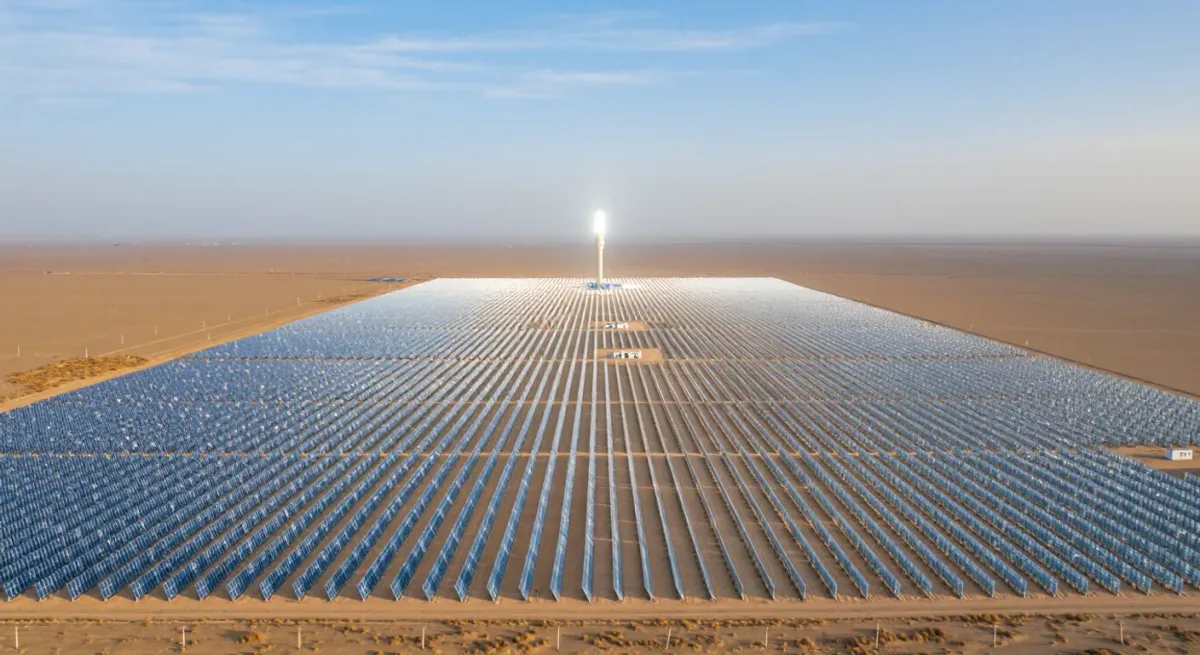
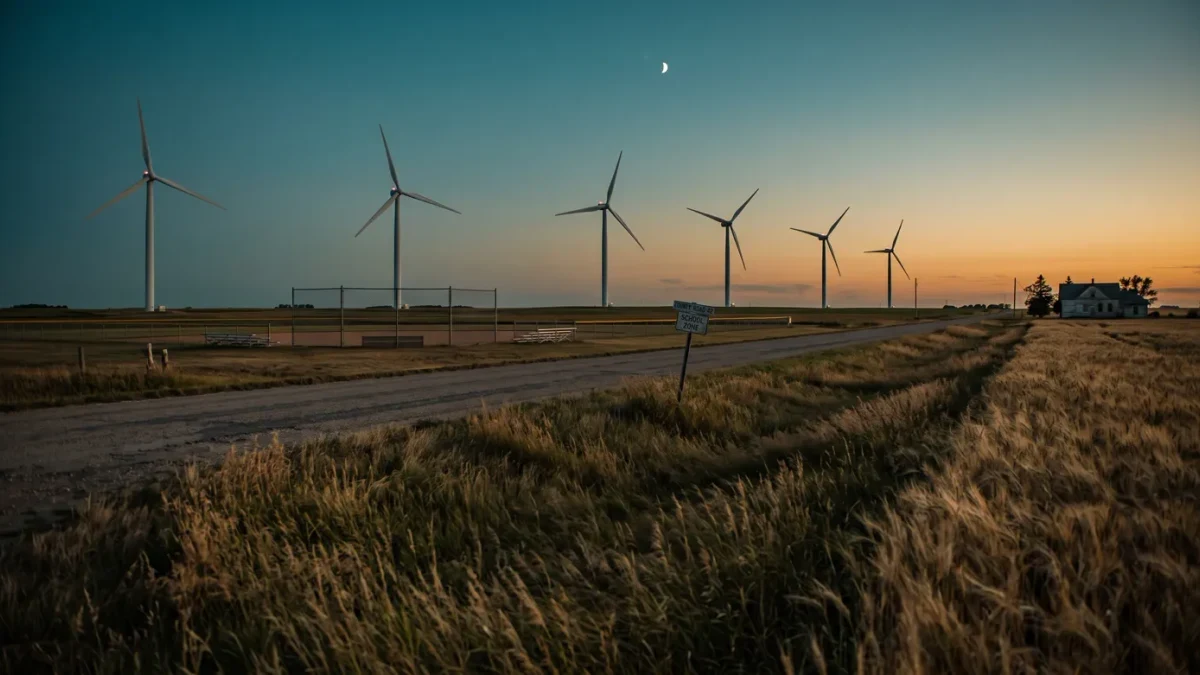
The documented county-level effects divide into two classes. Factories bring a payroll: the battery and solar plants announced since 2022 typically promise one to five thousand jobs at wages that, in their counties, rival anything else on offer. Wind and solar farms bring a different economy entirely, few permanent jobs, a handful of technician positions, but a transformation of the property-tax base: wind lease and payment-in-lieu-of-tax revenue has become a documented budget line for rural counties in Iowa, Texas, Oklahoma, and Kansas, in several cases the largest single source of local revenue, funding schools and road departments that levies alone no longer supported. The Treasury Department's own analyses of post-2022 investment documented the majority of clean-energy project spending landing in counties with below-median incomes.
Who got the jobs?
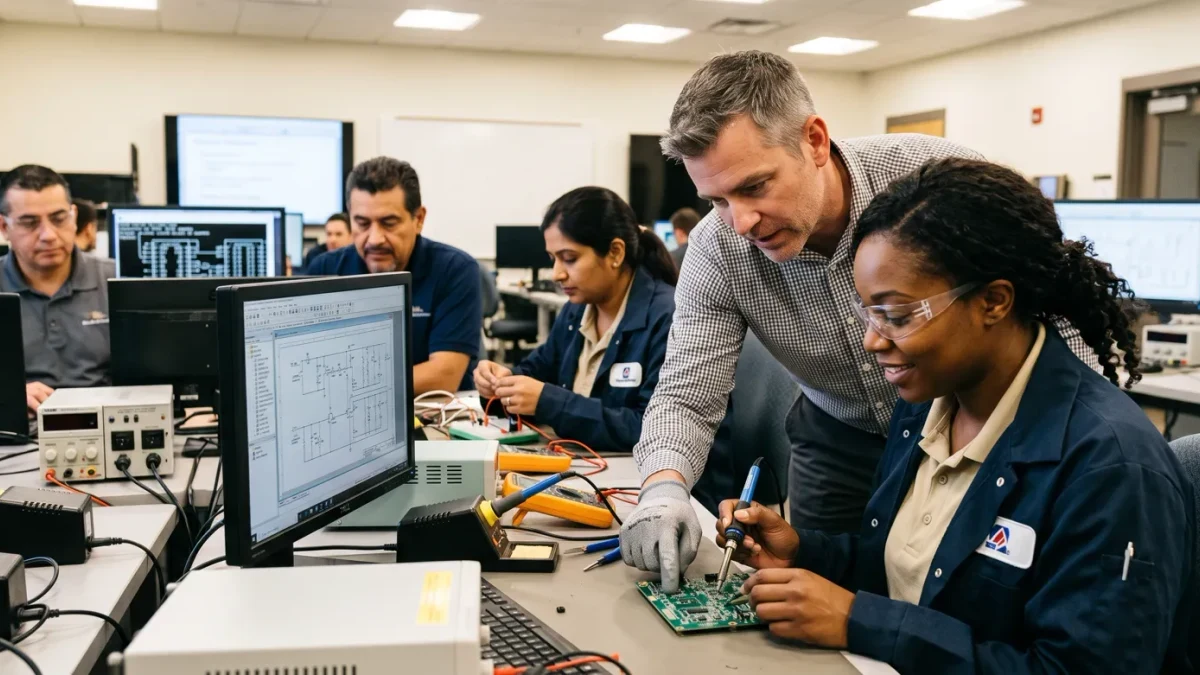
The honest record requires both facts. Local hiring happened, and construction phases in particular drew county residents into the trades at wage rates that pulled workers from regional construction. But permanent plant jobs skew toward workers with credentials local labor markets did not yet hold, so early hiring documented in state filings and local reporting drew heavily from surrounding regions and relocating workers, prompting the community-college partnership wave: Tennessee, Kentucky, Georgia, and Michigan all built documented technician-training pipelines tied to named plants. The second caveat is more uncomfortable: some headline announcements never reached operation, with EV-demand softness and policy renegotiation pausing or cancelling projects after the press release, and county officials learned to distinguish groundbreakings from concrete.
What happened to county budgets?
Where projects completed, the fiscal effects were documented and large. Wind counties' tax stories are the cleanest, with named districts directing turbine revenue to bond retirements and school capital plans. Manufacturing counties negotiated incentive packages whose costs are also documented: tax abatements running one to two decades, infrastructure commitments for water, sewer, and roads that counties financed up front, and, in several litigated cases, environmental and water-supply disputes that pitted payroll against aquifer. The gap between the promised jobs in incentive documents and the jobs payroll records later show, the subject of years of subsidy-accountability journalism, applies to clean energy as it did to every recruitment generation before it.
What about the communities the transition leaves behind?
Impact coverage that only counts new plants is half a ledger. The same forces building the new economy retired the old one: coal-plant closures documented by utilities and the Energy Information Administration continued through the period, and the fossil-dependent counties losing tax base are often not the ones gaining factories. Federal energy-community funding tried to bridge the gap, with documented criticism, from both directions, about slow disbursement and thin amounts relative to lost revenue. The transition's geography, in other words, has winners and losers who mostly live in different states, and the federal transfer programs connecting them are the weakest documented link in the chain.
What should residents watch?
Watch operation, not announcement: payroll withholding data in county budgets tells you within a year whether the plant is real. Watch the abatement calendar: counties that negotiated clawbacks and sunset clauses are documented in far stronger positions than those that granted in perpetuity. And watch the training pipelines, because the durable local benefit of this wave, if there is one, will not be the factory itself, which capital can move, but the credentialed workforce, which cannot.