Private equity's quietest acquisition spree is in medicine. Academic tallies using ownership data document buyout-firm control over meaningful shares of nursing homes, hospital staffing, dermatology, ophthalmology, dental chains, behavioral health, and emergency-medicine groups, with transaction values in healthcare running to tens of billions annually. The patient typically learns the ownership from a bill. The outcomes literature has now caught up, and its findings deserve the careful two-sided reading this subject rarely gets.
The Press Times publishes information, not medical advice; readers with care decisions should consult their clinicians.
What does the research find in nursing homes?
The nursing-home record is the most studied and the darkest. The landmark analysis by Gupta, Stevenson, and colleagues in JAMA and follow-up studies of buyout-controlled facilities documented higher mortality alongside lower staffing and compliance after acquisition, findings the industry contests on methodology but which multiple research groups have reproduced in overlapping samples. State attorneys general, including actions reported through 2024 and 2025, have investigated quality and billing at PE-owned chains, and Congress has held hearings featuring documents from private-equity-acquired facilities.
What about physician practices?
The pattern differs by specialty, and the honest record is genuinely mixed. Dermatology and dental service organizations documented post-acquisition increases in high-margin procedure volume, a finding consistent with revenue-focus and ambiguous for patients. Emergency medicine's PE roll-ups intersected surprise billing: studies of staffing companies owned by buyout firms documented that facility-ownership combinations enabled out-of-network billing at rates that helped drive the federal No Surprises Act, a policy victory documented in billing-data research showing the practice's subsequent decline. Yet some PE-owned practices documented shorter wait times and capital for equipment that physician-owners could not fund, a reminder that the sector's baseline, underfunded and fragmented, is not a gold standard being degraded.
Why does the structure invite scrutiny?
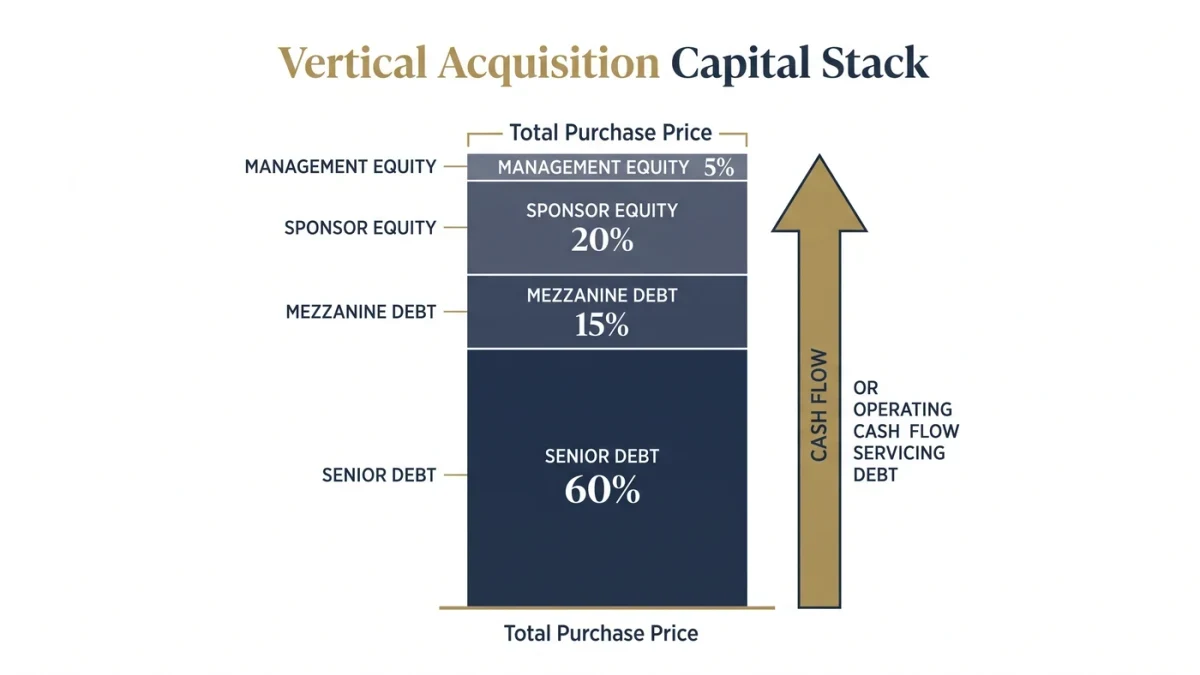
Three documented mechanics recur across cases. The fund horizon: a three-to-seven-year exit target rewards cost cuts and revenue captures that pay off quickly, while quality indicators move slowly. The leverage: acquisitions are debt-financed, and the interest expense lands on the facility's own balance sheet, so operational stress is partly self-inflicted by the deal structure, documented in bankruptcy filings of PE-owned hospital and senior-care chains where sale-leasebacks of the real estate added rent to interest. And opacity: ownership through shell layers complicates regulators' attribution of responsibility, a problem CMS has begun addressing with disclosure rules for nursing-home ownership that took effect through 2023-2024.
What is the policy response?
The documented toolkit is growing. Ownership transparency rules now force disclosure of nursing-home ownership chains, including PE involvement, giving researchers the data the earlier studies lacked. Some states banned the corporate practice of medicine decades ago, and enforcement of those doctrine statutes against lay-controlled medical entities, is enjoying a documented revival in California and elsewhere. And Congress's interest, episodic but real, has produced document requests to the largest firms on staffing and billing, reported by Reuters and Bloomberg through 2024-2025.
What should a patient or employee watch?
Check the ownership: your state's ownership-disclosure portal now names the layers. Watch staffing ratios after any acquisition announcement, since the research shows that is where change lands first. And for clinicians employed by roll-ups, read the employment agreement's non-compete and compensation-conversion terms, the parts of the record, in litigation between physicians and their new corporate owners, that document what the letterhead change actually cost. Capital is not care's enemy; but the record shows capital with a three-year exit clock is a different kind of owner than the doctor who signed the lease.