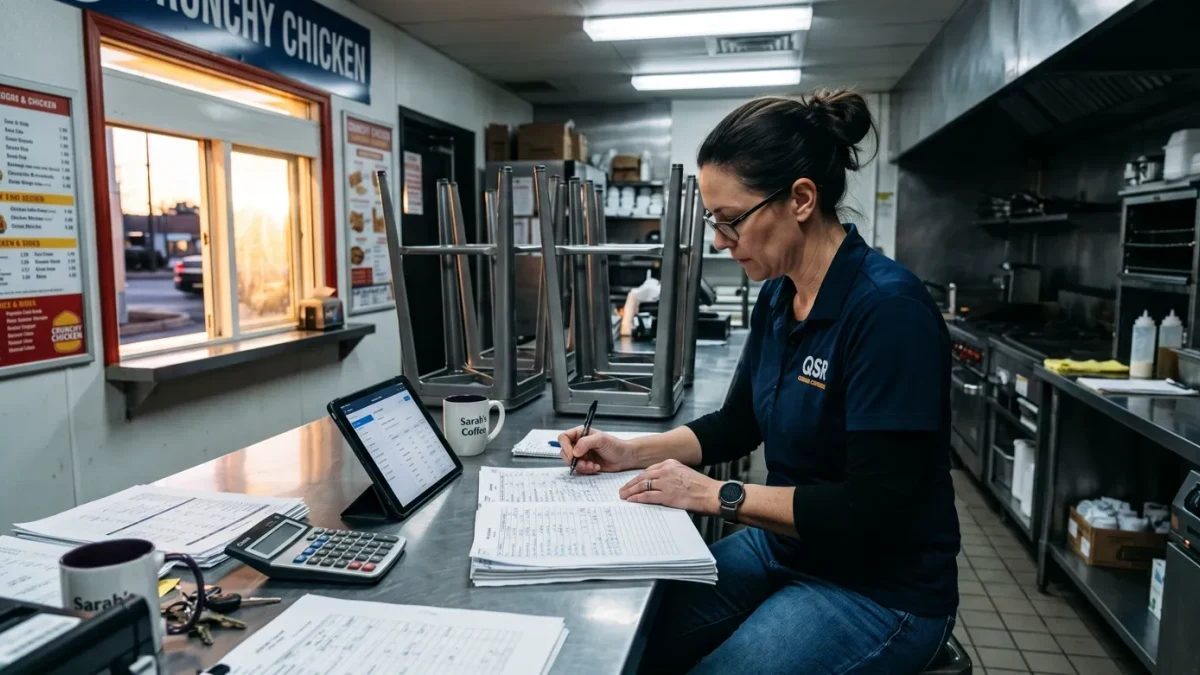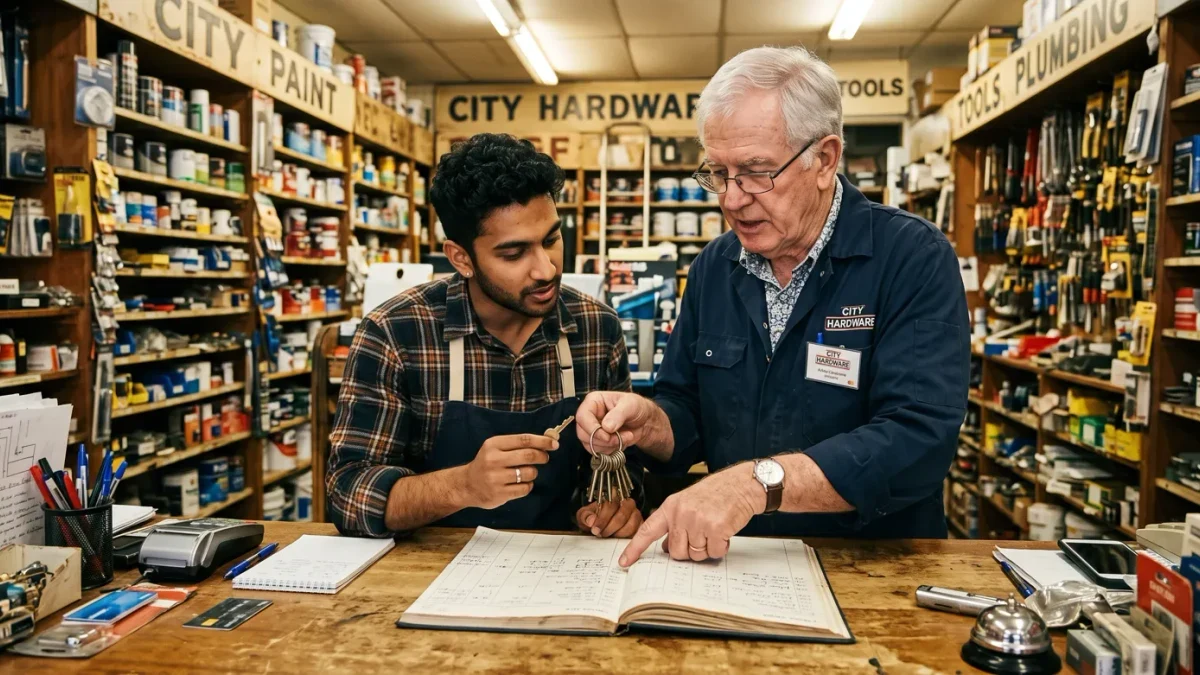
Family businesses employ the majority of American workers and generate the majority of private GDP by most counts, and a historic share of them is now for sale whether or not a sign says so: their founders are at retirement age. Surveys by family-business institutes and academic centers document the same startling figure, a majority of family firms expect a leadership transition within ten years, and a large share have neither a successor chosen nor a plan written. What happens in the gap between those two facts is a Main Street story with macro consequences.
What happens to a firm with no heir?
The documented outcomes sort into three bins. Sale to a competitor or strategic buyer, the plurality path in the transaction data, keeps the business alive and usually moves the headquarters decisions elsewhere. Sale to private equity or a search fund, a growing documented channel, brings capital and an exit clock. And closure: a documented share of healthy, profitable small firms simply shut at retirement, the owner's identity fused with the enterprise, no buyer found or sought, payroll and supplier relationships dissolved. Regional economists count the closure bin as the quiet leak in small-business formation data: more firms are closing at the margin than opening, a first-in-decades pattern in Census Bureau business-formation statistics through the mid-2020s.
Why don't the kids take over?
The sociological answer is documented across the succession literature: the children saw the hours. Succession research consistently finds heirs decline for reasons of autonomy and opportunity cost, with daughters historically under-considered by founders, a gendered pattern the family-business institutes document and modern practice is correcting. The structural answer is capital: buying even a modest firm at today's valuations requires financing the founder's retirement, and the tax mechanics, capital gains on the sale, estate complexity if the transfer is by gift, shape which path is affordable. The 2017 tax law's qualified small-business-stock and estate exemptions, and the perennial political fight over estate-tax thresholds, are the documented levers families watch.
What is the third path?
Employee and community ownership. The documented instruments, ESOPs for the larger firms, worker cooperatives for the smaller, and the increasingly formalized seller-financed management buyout, all keep the firm local and pay the founder over time. Ohio's and other states' employee-ownership centers, the SBA's 2024 reopening of ESOP lending in the 7(a) program, and a documented ecosystem of co-op conversion intermediaries, chiefly serving legacy trades, home care, landscaping, child care, construction, have built real infrastructure in the last decade. The conversion counts remain small against the need, but the documented case studies share a finding: firms sold to employees tend to stay in place, and the retirement income the founder draws is financed by the payroll that stays.
What does the handoff mean for towns?
The community arithmetic is direct. When a firm sells to a distant buyer, documented outcomes include headquarters consolidation, supplier swaps, and eventual relocation; when it closes, the loss is immediate; when it converts to employees, the payroll, the United Way sponsorships, the Little League hats, stay. Downtown-development organizations have begun treating succession as economic development, documented in matchmaking programs, buyer directories, and exit-planning workshops run by chambers and Small Business Development Centers, on the logic that the cheapest business attraction is the one already paying rent.
What should a founding owner do now?
The documented playbook is unglamorous: clean financials, three years out; a valuation, early; an honest conversation with the heirs; and professional advice on the sale-versus-conversion trade, because the tax treatment of each differs enough to decide the question. The worst documented outcome is the default one, the founder's illness forcing a distressed sale of a healthy firm. The great handoff will happen either way; the record simply shows it goes better on a schedule than on a stretcher.