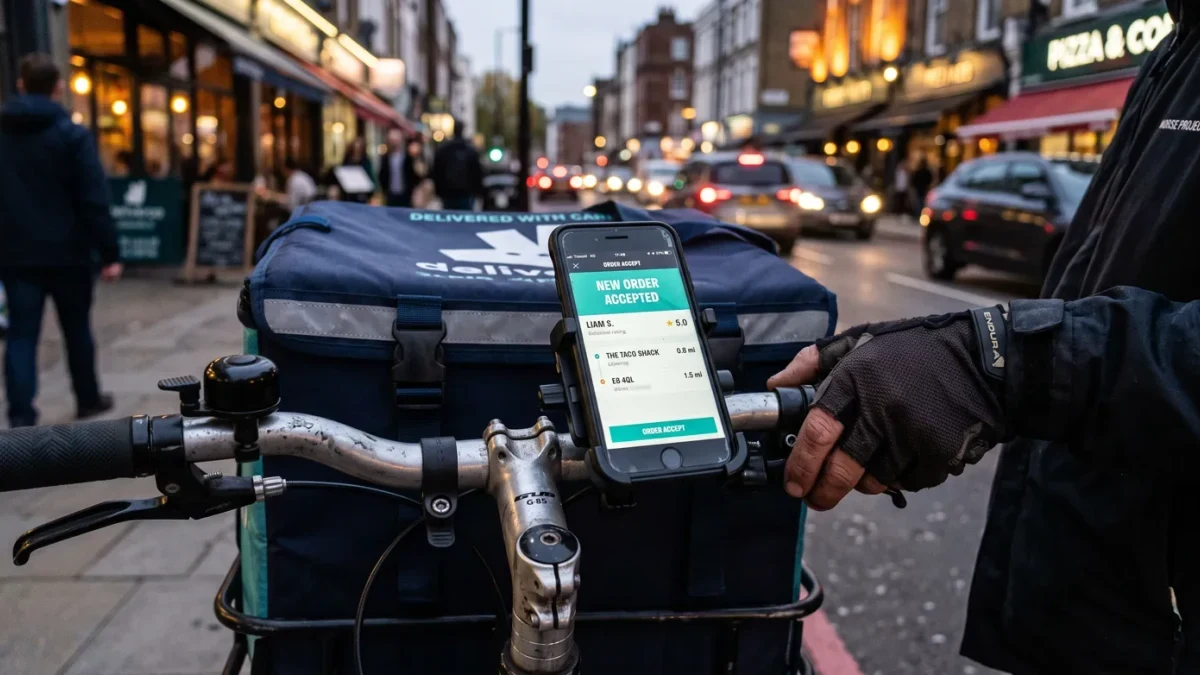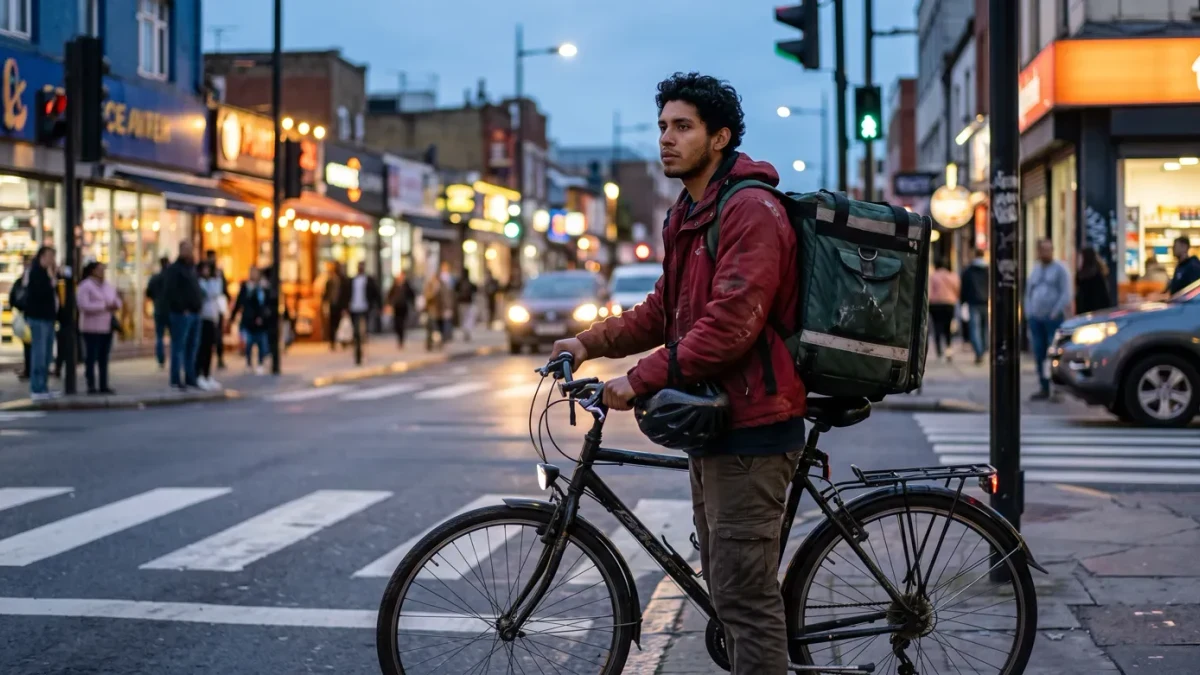
The average gig worker's problem is not the hourly rate, which after expenses often lands near or above the retail alternative. The problem is everything the rate does not carry. Bureau of Labor Statistics contingency surveys and platform-economy research place independent contract and platform work at a meaningful share of the workforce, concentrated in rideshare, delivery, care, freelance creative and technical work, and trucking. All of it arrives without employer health insurance, without payroll-tax withholding, without unemployment insurance, without workers' compensation, and without an employer match, a bundle of infrastructure that W-2 employment has bundled into pay since the 1940s.
What is the gap worth in dollars?
The arithmetic is documented and sobering. Self-employed workers pay both halves of Social Security and Medicare, 15.3 percent, where employees pay half. Health coverage through the individual marketplace, where unsubsidized, costs a multiple of group-plan employee contributions, and gig workers are overrepresented among the uninsured in Census health-coverage data. Paid sick time, paid family leave in uncovered states, and retirement matching, which roughly matches billions in foregone employer contributions annually across the sector, complete the list. Studies that price the full bundle conclude the typical platform worker needs a premium of roughly 20 to 30 percent over a comparable W-2 wage just to break even on infrastructure, a premium the platform pay averages, outside surge windows and premium metro markets, often do not deliver.
How did the law get here?
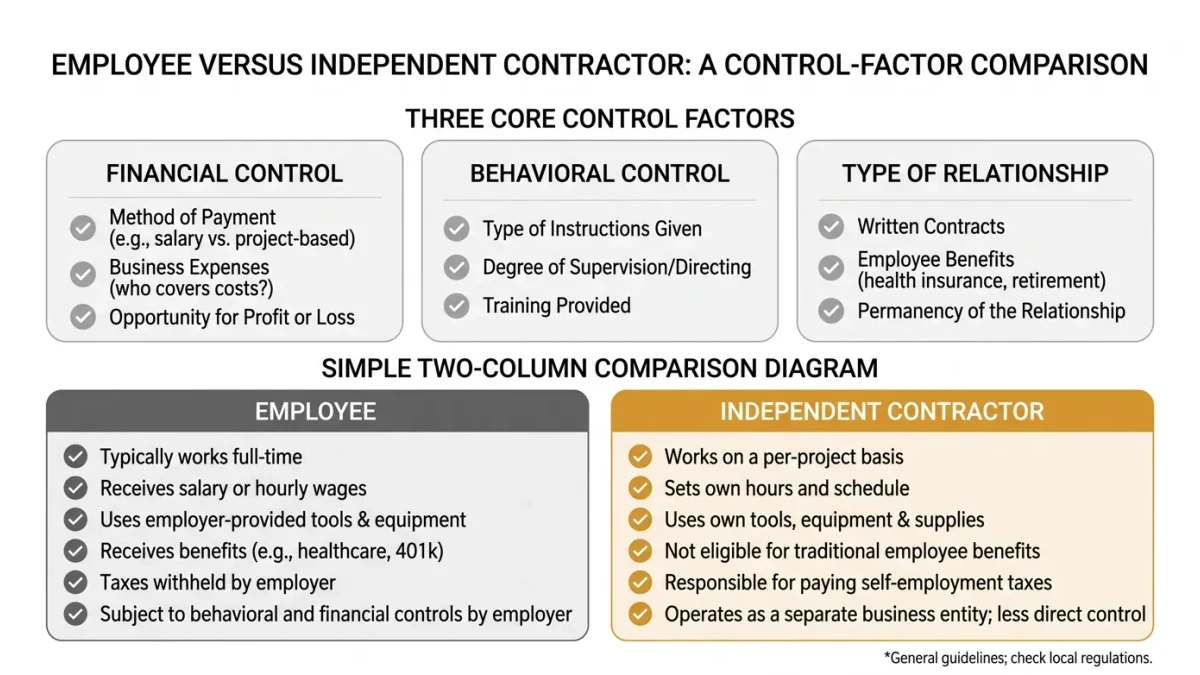
The dividing line is the 1940s test for employee status, applied under the Fair Labor Standards Act, IRS rules, and state law. Platforms structured themselves so workers control schedule, tools, and pricing acceptance, the factors the tests weigh, and the result is a workforce the New Deal's architecture never anticipated. The policy fights this generated are the documented decade of gig-law: California's AB 5, the 2020 Proposition 22 carve-out ballot measure whose litigation ran for years, federal rulemakings on independent-contractor classification that reversed with administrations, and the state-by-state minimum-pay standards for app drivers that New York, Seattle, and California implemented through 2024 and 2025, with documented earnings effects in both directions and platform service-fee passthroughs to customers.
What are the platforms actually offering?
The companies have built documented partial substitutes. Uber and DoorDash launched portable-benefits vehicles, including the covered-state accounts funded by per-trip contributions, and several platforms partner with insurers for accident and injury coverage active on-trip, though off-trip, where most of life happens, coverage is the worker's own. Uber's partnership network and Lyft's accelerator programs advertise discounted benefits, and freelance platforms increasingly offer opt-in benefit stipends. The honest read of the record: these are real but thin, typically single-digit percentages of earnings, against a W-2 bundle worth a quarter of compensation, per Bureau of Labor Statistics employer-cost data showing benefits near 30 percent of total compensation.
What happens when a gig worker gets sick or old?
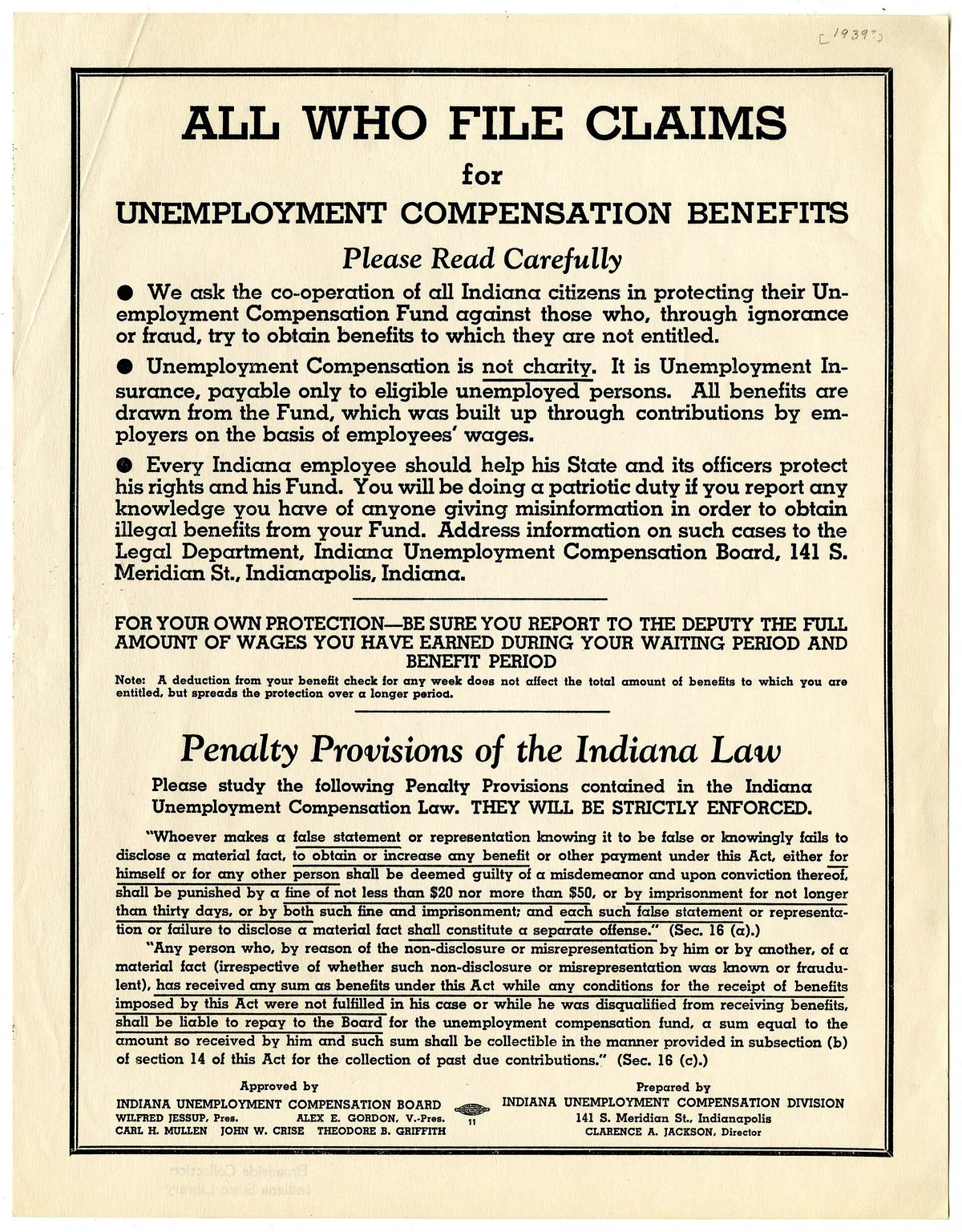
The documented answers are bleak at the margins. Injured gig workers fall on personal coverage, state programs, or nothing; there is no workers' comp claim to file. Between engagements, there is no unemployment insurance, a fact that turned catastrophic in 2020, when Congress had to invent Pandemic Unemployment Assistance from scratch because the existing system could not see gig income, and its documented fraud losses became a decade's policy lesson. At retirement, the sector's documented savings rate sits well below W-2 benchmarks, and the median gig worker approaching 65 holds materially less in retirement accounts than a comparable employee, an accumulation gap that compounds silently until it cannot.
What fixes are on the table?
The portable-benefits model, accounts attached to the worker rather than the employer, funded per-gig, has drawn the broadest coalition, with bills introduced in multiple states and the platforms themselves, calculating that modest, guaranteed contributions are cheaper than reclassification. Washington State's 2022 law for rideshare drivers and the subsequent state experiments document the template: earnings floors plus injury coverage plus prorated sick leave. The harder question is scale: whether patchwork state law can ever replicate what one national payroll infrastructure built, or whether the answer, as with the minimum wage, becomes fifty different answers. What the record already establishes is that the gap is not a lifestyle trade-off freely chosen; it is a transfer of risk from balance sheets to kitchen tables, invoiced one uncovered emergency at a time.